More than 250 migrant women and children in Ceuta face hunger as local aid collapses. Volunteers say they will leave the camp if officials do not step in. The government has not offered a solution.
Tomorrow, over 250 migrant women and children in Ceuta may wake up with nothing to eat. The volunteers who have kept them fed for weeks say they are at their limit. Without immediate government help, they will leave the makeshift camp in Sidi Embarek. Food is almost gone, and officials have not responded.
This crisis has been building for weeks. What started as a temporary fix—tents beside a mosque on land loaned by the NGO Luna Blanca—has become a dead end. The Delegación del Gobierno promised to move these women and children to the Centro Ecuestre, known as La Hípica, but only a few were relocated. Most remain in worsening conditions. Reports from El Faro de Ceuta and El País note that by early September 2026, some vulnerable women and children had been transferred to new temporary centers, but about 250 women and varying numbers of children were still in Sidi Embarek, depending on the stage of transfers.
"By late August, Luna Blanca was still preparing about 2,750 breakfasts, lunches, and dinners daily for migrants, down from over 6,000 meals at the peak of the crisis."
— Ara
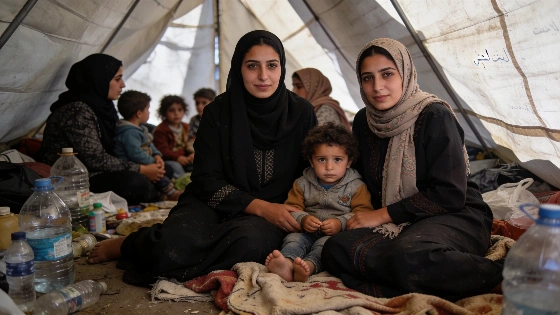
Inside the crowded tents, conditions are grim. Pregnant women and toddlers share cramped spaces, with only a few non-perishable foods and bottles of water left. Hygiene is poor: three portable toilets are the only facilities. Old municipal toilets, never connected to plumbing, now serve as laundry lines. There are no showers, no running water, and no sign of relief. National media have confirmed the lack of water, sanitation, and the chronic overcrowding in these shelters.
Local residents, including Uzman Bersabé from the Movimiento Social y Vecinal de Ceuta and Abdellah Mustafa, president of the Sidi Embarek neighborhood association, have carried the burden alone. Their resources are gone. "We have nothing left," Mustafa says, visibly exhausted after a month of effort. Volunteers sent a formal request to the Delegación del Gobierno, listing broken promises and the urgent need for help. So far, there has been no reply. According to El País, local organizers have also faced pressure, threats, and a tense atmosphere around their support for migrants, making the response even harder.
Some women, after hearing the situation from volunteer Karima, have chosen to return to Morocco, escorted to the border by the same neighbors who once sheltered them. Most, though, refuse to leave, believing that staying in Ceuta offers a better chance than going back. For many, the hope of legal status or a future in Spain outweighs the daily struggle for food and shelter.
"Authorities in Ceuta registered 1,478 unaccompanied minors during the crisis, with an additional 1,200 children still awaiting identification. The total number of migrant minors in the city was estimated at around 1,800."
— Cadena SER
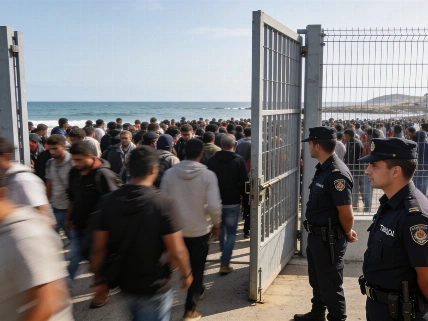
Outside the camp, dozens more women wait, unable to enter the overcrowded tents. With no space or food, they are turned away by volunteers or, at times, removed by military patrols. The other camps—La Hípica, El Príncipe, and the Naves de El Tarajal—are either full or being dismantled, leaving these women and children with nowhere to go. La Hípica reportedly had about 320 places for women, with priority for pregnant women, mothers with children, and those without safe accommodation, and included systems for detecting violence and trafficking, according to El Constitucional.
Political leaders like Mohamed Mustafa of Ceuta Ya! have said that it is local residents, not the authorities, who have prevented a social crisis by caring for these migrants. But as the volunteers' ultimatum runs out, the risk of a humanitarian emergency grows. The solidarity that kept the camp going is nearly gone, and the lack of official support is now impossible to ignore.
Ceuta's migrant crisis shows the limits of volunteer aid when officials do not act. The city's authorities have not provided even basic guarantees for women and children seeking safety. As the last supplies disappear and volunteers prepare to leave, responsibility for what happens next falls to the government.