Ceuta enters a decisive week amid ongoing street protests and political clashes. PSOE accuses PP of exploiting rallies for partisan gain and withdraws support. The government prepares for a key parliamentary session.
Ceuta is once again at the center of Spain’s political and social debate after a month marked by a surge of migrants crossing the border. The city remains tense as political divisions deepen ahead of planned demonstrations on September 2. The PSOE has publicly accused the PP of turning these rallies into a partisan tool and announced it will not participate, criticizing the unilateral decision by the FEMP, which is led by the PP, to call for the mobilization without consensus.
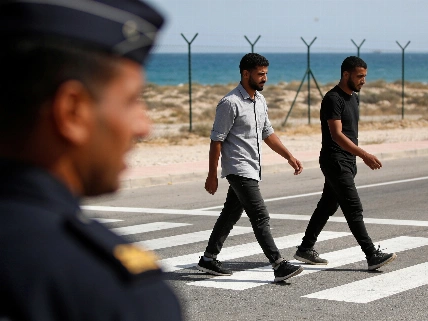
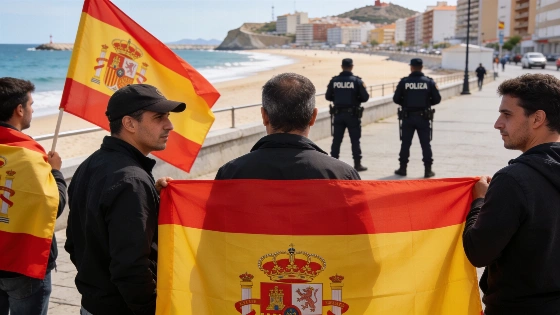
On Saturday, the city’s streets saw renewed protests, with dozens of people marching under Spanish flags and chanting “Ceuta no se vende.” The demonstration culminated in a sit-in near El Tarajal beach, a location that has become symbolic since dozens of migrants remain there after crossing the border between July 30 and 31. The ongoing presence of these migrants continues to fuel public debate and local tensions.
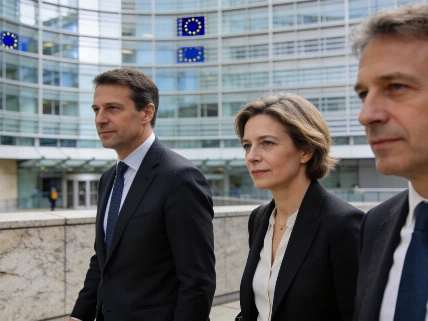
This week is expected to be pivotal for the national government. On Thursday, Prime Minister Pedro Sánchez is scheduled to appear before an extraordinary session of the Congress to address the management of the Ceuta crisis. The session is seen as a critical moment for the government to clarify its position and respond to mounting criticism from opposition parties.
The political standoff in Ceuta is not isolated. As previously reported, the PP has intensified its criticism of the government’s handling of the situation, with party leader Alberto Núñez Feijóo calling for urgent measures and rallying support across Spain. For more on the PP’s recent actions and their impact on the national debate, see the analysis at RUSSPAIN’s coverage of Feijóo’s response to the Ceuta crisis.
Ceuta’s current situation highlights the complex intersection of migration, local security, and national politics. The city’s unique status as an autonomous enclave bordering Morocco makes it a focal point for migration flows and political disputes. The recent events have underscored the challenges of coordinating responses between local, regional, and national authorities. The FEMP (Spanish Federation of Municipalities and Provinces) plays a key role in organizing municipal responses, but its leadership by the PP has become a point of contention. The upcoming parliamentary session is expected to clarify the government’s strategy and could set the tone for future policy on migration and border management in Spain. Ceuta’s experience is often seen as a bellwether for broader trends in Spanish migration policy and inter-party relations.