Spain’s government reports a drop in irregular migration, but leaves out the unprecedented arrival of over 70,000 migrants in Ceuta at the end of July. Official figures remain incomplete as authorities work to process the surge.
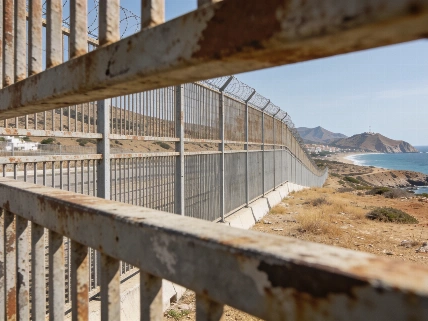
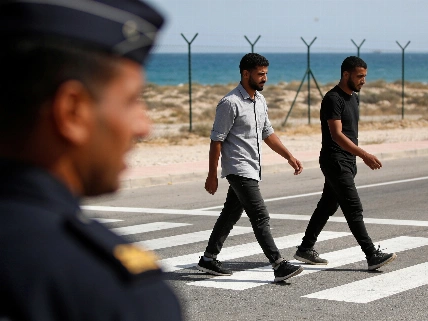
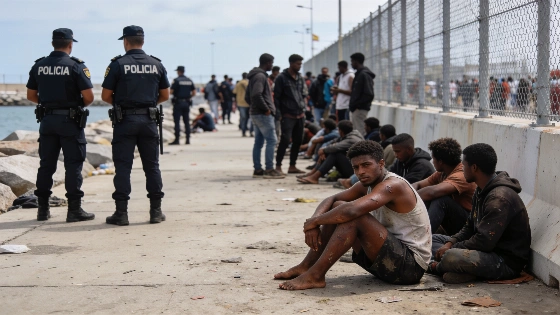
Spain’s migration numbers are under scrutiny after more than 70,000 people crossed into Ceuta in just two days at the end of July—a record-breaking event that is still missing from the government’s official data. The Ministry of the Interior claims a 14% drop in irregular entries across Spain this year, but this figure does not include the mass crossing at the Tarajal breakwater, which authorities say is still being processed.
In Ceuta and Melilla, the government reports a 110% increase in arrivals compared to last year, with 2,435 more migrants recorded up to August 31. But these numbers do not account for the late July surge, when arrivals in 48 hours surpassed the previous annual record set in 2018 and doubled last year’s total. The Ministry says the scale and chaos of the event made it "impossible" to complete the required legal processing, and those still in Ceuta will only be added to the statistics once triage is finished.
Spain has requested over 32 million euros in emergency EU funding to support Frontex and Europol operations for triage and identification of migrants remaining in Ceuta after the July border surge.
This selective reporting has drawn criticism from groups like the Comisión Española de Ayuda al Refugiado (CEAR). Its director, Mónica López, calls the situation a "multifactorial crisis," pointing to deep economic gaps at the border and the European Union’s reliance on third countries to manage migration—an approach she says does not work. López warns that the government’s slow response has left many potential refugees without access to international protection, raising concerns about rights violations.
Spain’s migration crises have grown in scale and complexity over the past decade. In 2018, nearly 65,000 irregular arrivals were recorded, already surpassing the "cayuco crisis" of 2006. The 2014 Tarajal tragedy, when several hundred tried to swim into Ceuta and at least fifteen died, now seems small compared to current numbers. More recently, the 2022 Melilla fence incident involved about 2,000 migrants and resulted in dozens of deaths, with conflicting casualty counts from Moroccan authorities and Amnesty International. Each new crisis has been larger than the last, and the closure of borders during the COVID-19 pandemic only increased pressure on Spain’s frontiers.
Despite the government’s claims of declining migration, the situation in Ceuta tells a different story. Officials say the July influx needs "specific analysis," but the absence of these figures from public reports leaves a major gap in understanding the real scale of the problem. As reported earlier, the government’s handling of the crisis has already led to political fallout and public criticism.
Estimates of migrants remaining in Ceuta vary widely: central authorities cite about 5,000, while local officials and some media report between 8,000 and 10,000. The Spanish government acknowledges that official statistics lag behind events, as many arrivals have yet to be formally processed and included in national data.
Spain’s approach to migration statistics now looks less like transparency and more like damage control. By holding back the most significant data point of the year, authorities risk losing public trust and making it harder to respond to the humanitarian and logistical demands of mass arrivals. The government’s reluctance to acknowledge the full extent of the Ceuta crisis points to a deeper struggle to adapt policy to reality—a gap that will likely grow as migration pressures continue.