Ceuta's president has given the central government 30 days to resolve the city's crisis. He accuses Madrid of inaction and warns of turning to the courts. The dispute centers on migration and local rights.
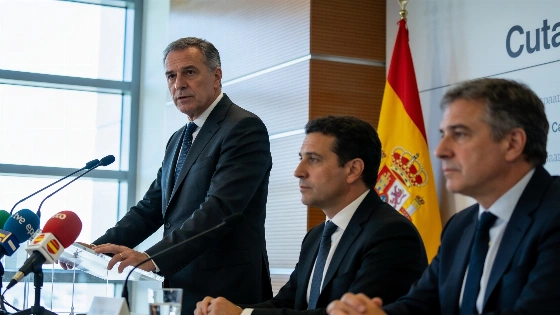
The political standoff in Ceuta has escalated sharply as Juan Jesús Vivas, president of the autonomous city, issued a 30-day deadline to the central government to address the ongoing crisis. Vivas, representing the Partido Popular, openly criticized Madrid for what he described as near-total passivity in managing the situation. He warned that if no progress is made within a month, he will seek intervention from Spain's highest judicial authorities.
Speaking after an extraordinary session of Ceuta's government, Vivas accused the executive led by Pedro Sánchez of downplaying the severity of the crisis in early August and failing to implement effective measures since. He suggested that the government's reluctance to restore normality could be intentional, hinting at deeper motives behind the lack of decisive action. Vivas emphasized that Ceuta is experiencing what he called a 'state of exception' and insisted that the city would not surrender its rights or responsibilities.
The president outlined his intention to approach the president of the Supreme Court and the head of the Constitutional Court, should the government fail to act. He also mentioned plans to appeal to other state institutions, including the Cortes Generales, regional governments, the federation of municipalities, and European bodies. According to Vivas, the central government is only one part of the state, and Ceuta will continue to seek support from all available channels.
The dispute intensified after Mónica García, Minister of Health, called on Ceuta's authorities to provide locations for housing migrants. Vivas responded by accusing García of shifting blame and acting inappropriately, arguing that Ceuta has always shown solidarity regardless of origin. He rejected the idea that the city needs lessons in humanity, insisting that the rights of local residents must also be considered.
Sources within Ceuta's administration report that the central government has proposed several sites for migrant accommodation. The only outright refusal concerns the Fábrica de Harinas, a Defense Ministry property in a central area, due to neighborhood opposition. Other suggested locations, including areas near El Trampolín and El Príncipe, have not faced the same resistance. Vivas stressed the need to balance the needs of migrants with those of Ceuta's residents, questioning whether locals' rights are being overlooked in the current debate.
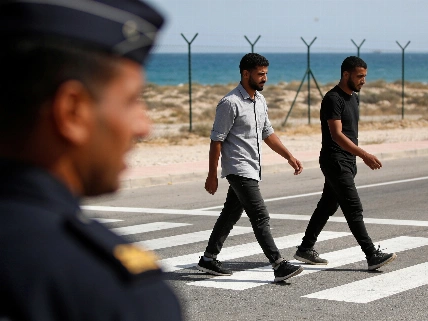
Ceuta, a Spanish enclave on the North African coast, has long faced unique challenges related to migration and border management. The city's strategic position makes it a focal point for migration flows from Africa to Europe, often resulting in political tension between local and national authorities. The current dispute highlights ongoing friction over responsibility, resources, and the balance between humanitarian obligations and local concerns. As the 30-day deadline approaches, the outcome may set a precedent for how similar crises are handled in Spain's autonomous regions.