Dozens of young migrants are leaving Ceuta each day after weeks of hardship. Many return to Morocco voluntarily, citing exhaustion and disappointment. The situation highlights the ongoing strain on local authorities and residents.
Ceuta is witnessing a steady flow of young migrants choosing to leave the city and return to Morocco after enduring what many describe as the most difficult period of their lives. Over the past month, groups of adolescents have crossed back through the border, often with little more than the clothes they arrived in. Their departure comes after weeks spent sleeping outdoors, facing violence, and struggling to find food and safety.
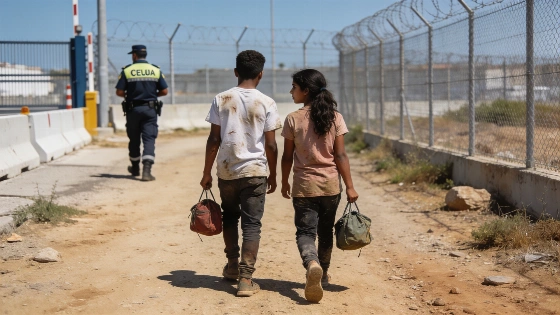
Among those leaving are Tarek, 20, and his 17-year-old sister Salma, who decided to return to their hometown of Oued Laou. Both entered Ceuta with hopes of a better future but now express regret and fatigue, with Salma wishing to resume her studies and Tarek uncertain about his reasons for coming. Their experience is echoed by others like Karim Molahid, also 20, who suffered injuries and the loss of his phone during his stay. For many, the harsh reality of life in Ceuta has outweighed any expectations they had before crossing the border.
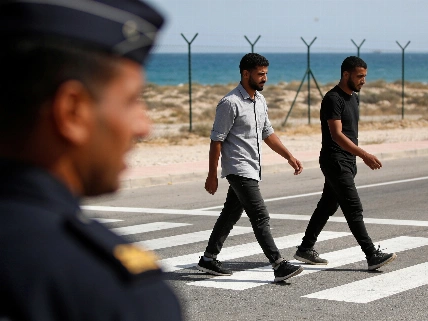
Authorities estimate that around 162 people are leaving Ceuta voluntarily each day, though local sources suggest the actual numbers may be lower. Observations from border officials and local media indicate that departures fluctuate, with some days seeing as few as 60 to 70 individuals making the journey back. Most of those leaving are visibly exhausted, often bearing signs of physical hardship such as bruises or minor injuries. The return route is a dirt path beside the official checkpoint, reserved for those who entered Spain irregularly and now wish to go back.
The reasons for the initial influx into Ceuta remain complex. According to statements from Prime Minister Pedro Sánchez, misinformation spread via social networks linked to Russia, Israel, and far-right groups contributed to the mass movement. Many migrants report that rumors about open borders circulated quickly, prompting spontaneous decisions to cross with minimal preparation. Some heard about the opportunity from family or social media, while others were influenced by conversations in their communities.
Not all migrants are ready to leave. Some prefer to remain in Ceuta, hoping for a change in their situation rather than returning home empty-handed. Others are confused by the presence of large tents and humanitarian aid, speculating about possible transfers to mainland Spain. The situation has fueled frustration among local residents, who have voiced concerns about the ongoing crisis and its impact on daily life. This tension was highlighted in recent protests, as covered in reports such as local demonstrations demanding government action on migrant expulsions.
For minors, the process of leaving is more complicated. Protocols require police intervention and placement in care centers, preventing unaccompanied children from simply walking back across the border. Meanwhile, some migrants receive small acts of kindness from passersby, such as food or clothing, while others gather near the fence to access Moroccan mobile networks—their only remaining link to home.
Ceuta's border crisis has underscored the challenges of managing irregular migration at Spain's external frontier. The city remains a focal point for broader geopolitical tensions and humanitarian concerns, with thousands still awaiting resolution. The ongoing departures suggest that, for many, the reality of life in Ceuta has not matched the hopes that brought them across the border.
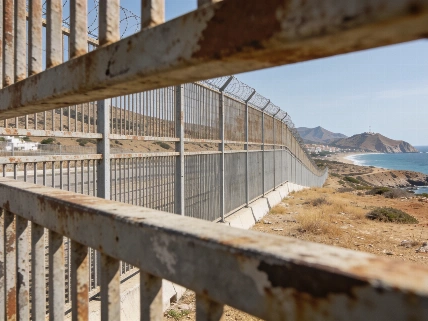
Ceuta, a Spanish enclave on the North African coast, has long been a crossing point for migrants seeking entry into Europe. The recent crisis has placed significant pressure on local infrastructure and services, with authorities balancing humanitarian obligations and border security. The situation remains fluid, with both Spanish and Moroccan officials monitoring developments closely. As the flow of voluntary returns continues, the long-term impact on the city and its residents remains uncertain.