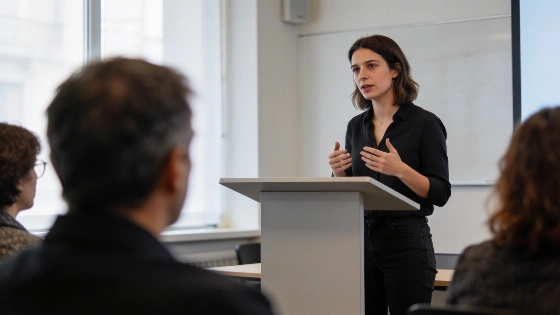
The COP’s IV Psychology and Addictions Day takes place in Madrid on 28 October, with in-person and online access. Sessions will examine brain effects and vulnerability to problematic social-media use, then turn to psychological treatment.
At 10:30, the programme opens with representatives from the Consejo General de la Psicología de España (COP) and the Government Delegation for the National Plan on Drugs. The IV Jornada de Psicología y Adicciones will take place on Wednesday 28 October at the COP headquarters in Madrid, with a live YouTube stream for online participants.
José Antonio Luengo Latorre, the COP’s first vice-president, will join the institutional presentation. Graciela Silvosa Rodríguez, a technical adviser to the Government Delegation’s support unit who is responsible for its social-media strategy, will also take part. Josep Vilajoana i Celaya, a member of the COP governing board and coordinator of its Division of Health Psychology (PsiS), rounds out the opening panel.
Three talks will look at how social-media use can affect psychological wellbeing and where professional intervention may help. The first, «El efecto de las redes sociales y nuevas tecnologías sobre el cerebro: De la alarma a la evidencia», is by Aarón Fernández del Olmo, a doctor of psychology and neuropsychologist. He is clinical director at Triune Neuropsicólogos and teaches at Universidad Internacional de La Rioja (UNIR) and Universidad Loyola Andalucía. Begoña Río García, from the COP’s Working Group on Addictions, will moderate.
The programme then looks at conditions associated with problematic technology use. José César Perales López, professor of psychology at the University of Granada, will deliver «La red como ecosistema: factores de vulnerabilidad y protección para el uso problemático de la tecnología». Rosa Suárez Vázquez, also a member of the COP’s Working Group on Addictions, will chair the discussion.
The final presentation focuses on clinical treatment. Juan Francisco Navas Pérez, a professor in the Department of Personality, Assessment and Clinical Psychology, will discuss «Tratamiento del uso problemático de las redes sociales: Evidencia clínica, desafíos actuales y estrategias de intervención». He is also research director at the Complutense University of Madrid’s University Psychology Clinic. Marián García Arigüel, from the COP working group, will moderate.
The professional discussion takes place alongside European Union rules for online platforms. The Digital Services Act (DSA) requires platforms to address illegal content while safeguarding users’ basic rights, including freedom of expression and access to information. The European Parliament says users get more information about content-moderation decisions and can challenge removals; the DSA also bars targeted advertising to minors when it uses sensitive personal data. The largest platforms face additional transparency and systemic-risk obligations, including measures to address effects on basic rights and democratic processes. These rules govern platforms and protect users, but they do not define a clinical diagnosis or treatment for problematic social-media use.
Online safety for children also came up in the European Commission’s midday briefing on 23 October, which listed questions about the DSA and Meta, misuse of online platforms during unrest, the EU Kids Act and a possible social-media ban for children.
The three speakers are due to take questions together at 13:00. José Tenorio Iglesias, secretary-general of the COP and coordinator of its Working Group on Addictions, will lead the conclusions and closing session. The event is scheduled to finish at 14:00.
Organisers say registration remains open, two days before the event. Attendees can come to the COP’s premises at 45 Calle Conde de Peñalver, third floor, or join online through its YouTube channel. The subject is psychological health, distinct from other health coverage such as a report on climate-linked heat deaths.