Cosas nuestras launched on La 1 with a direct, participatory format that immediately topped the ratings. The show’s live approach and familiar faces signal a clear shift in Spanish weekend television, aiming to connect with viewers through everyday stories and real-time interaction.
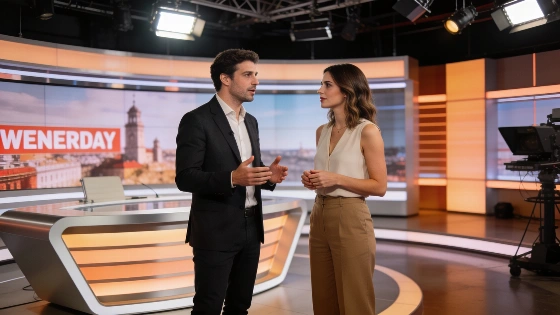
Saturday evening on La 1 looked different. Cosas nuestras went live and shot straight to the top of the ratings. The show didn’t just fill a gap. It changed the rules for Spanish weekend TV. Aida Bao and Aitor Albizua took the lead. They brought a new energy to TVE’s afternoons. The focus was clear: live action and real audience involvement. RTVE confirmed the show airs live every Saturday and Sunday at 19:00. It now takes over the old Cine de barrio slot on Saturdays. On Sundays, the schedule shifts to avoid clashing with Aquí la Tierra and Telediario 2.
Cosas nuestras is built for real connection. The format pulls viewers in. Segments are designed for direct interaction, not just passive watching. Giovanna González runs the social media front. She invites people at home to join in and digs up exclusive moments from RTVE’s archives. This isn’t just for show. Her section puts the audience on screen, not just in the numbers. El Confidencial reported that Catorce Producciones co-produces the program. The structure relies on live reports, on-location stories, and real-time viewer input. Pre-recorded studio pieces take a back seat.
RTVE officially describes Cosas nuestras as a 'cercana y entretenida' (close and entertaining) approach to reality, with current events as the show's guiding thread.
The team brings more than just TV polish. Juan Pablo Carpintero covers pets. He goes beyond cute stories. Viewers get real adoption cases and practical tips. Mar Villalobos uses her background to connect city and countryside. David Arango gives weather updates that matter for daily life. Aunitz Alberdi reports from the field. Ángeles Cortina adds her years of TV experience. The debut episode aired on October 3, 2026. It focused on storm damage and flooding. There was live coverage from Madrigueras (Albacete). RTVE Play and top Spanish media confirmed these details.
Live, on-location reporting sets Cosas nuestras apart. Reporters fan out across Spain. Stories come straight from the streets, not just the studio. This style matches the urgency seen in recent Spanish news. For example, during the Besòs river surge in Barcelona, live updates and direct links to the scene were vital. Early reviews in the Spanish press, including El Televisero, say Cosas nuestras sparked debate. Viewers noticed the new, more dynamic weekend format. Many focused on the chemistry between Bao and Albizua.
On Sundays, Cosas nuestras ends earlier to avoid overlapping with Aquí la Tierra and Telediario 2, reflecting a strategic adjustment in La 1's weekend schedule. The program's debut generated notable discussion in Spanish media about its fresh, live-driven approach and the expectations for its presenting duo.
La 1 is making a statement. Cosas nuestras puts familiar faces in direct contact with viewers. The message is simple. Relevance and participation matter more than passive entertainment. The show’s strong debut wasn’t just about numbers. It was a clear bet that Spanish audiences want more open, responsive TV. If Cosas nuestras keeps this pace, weekend programming on public TV could change for good. It’s a new standard for engagement and authenticity in Spanish media.