Valencia Tragedy Trial: Former Interior Chief Altered Emergency Alert Text. The trial over the Valencia flooding revealed that the former regional Interior Minister personally requested changes to the emergency alert text. This decision may have affected residents’ response and the course of the tragedy.
During the investigation into the catastrophic flood in Valencia that claimed the lives of 230 people on October 29, 2024, new details about the actions of regional authorities were revealed in court. At hearings in Catarroja court presided over by Judge Nuria Ruiz Tobarra, it emerged that former head of Valencia’s Ministry of Justice and Interior, Salomé Pradas, personally intervened in the process of sending emergency alerts to the population.
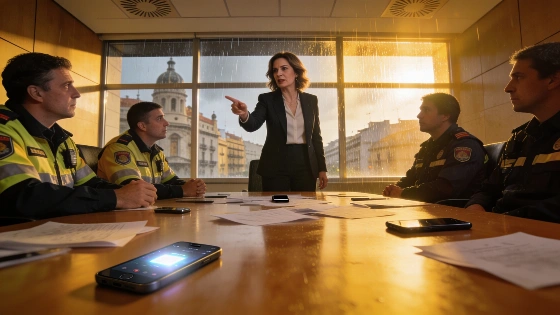
As testified under oath by Deputy Director General for Emergencies Jorge Suárez, it was at Pradas’s request that the text of the mass Es Alert message—intended to inform residents about the scale of the disaster—was changed. According to him, the original text included a call to stay at home, but at Pradas’s insistence, the wording was revised to the softer “suspend movements.” She explained this by the lack of sufficient legal grounds for stricter recommendations.
The judge noted that the final message was sent late and did not reflect the actual situation. According to El País, it was precisely the delay and vagueness of the wording that may have affected the effectiveness of the residents’ and services’ response. Case files indicate that the chain of decisions and changes in emergency communications has become one of the main topics of the investigation.
Earlier in Valencia, the reasons for the emergency alert delay and its possible consequences for saving lives were already under discussion. In particular, One of the russpain.com articles analyzed the administration's mistakes and their impact on the development of the tragedy. New court testimonies confirm that decisions were made at the highest level and accompanied by internal disputes over wording and legal risks.
The trial continues, and attention to the details of the emergency services' work remains at the center of public interest. In the coming weeks, the court is expected to hear several more key witnesses to determine exactly how decisions were made during critical hours and who is responsible for the consequences.