Car sales in Spain jumped 7.8% in June 2026. Dacia Sandero led the way, while electric and plug-in hybrids grabbed a bigger share of the market.
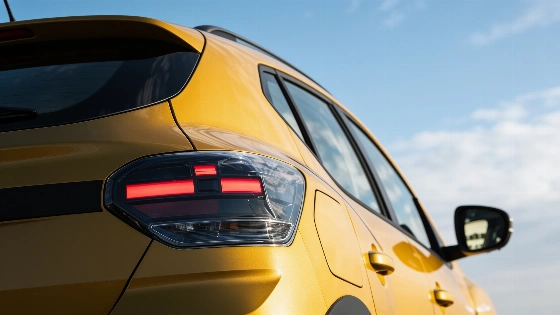
Showrooms across Spain were busy in June 2026. Dealers registered 128,426 new cars. That’s the second-strongest month this year. It’s also a sign that Spain’s car market is back to where it was before the pandemic. Dacia Sandero took the crown again. No other model came close.
Sales have now topped 100,000 for four months in a row. That hasn’t happened since 2019. ANFAC, the main industry group, says this puts Spain on pace for more than 1.2 million new cars sold by the end of 2026. The only thing that could stop it is a major shock to the market. Félix García, ANFAC’s director of Communication and Marketing, summed up the mood: "We finish the first half with almost 650,000 registrations, which allows us to be optimistic about comfortably exceeding 1.2 million sales in all of 2026, as long as no other external factors negatively influence the market."
By the end of August 2026, Spain had registered around 818,000 new cars, about 6.3–6.4% more than the previous year, confirming the market's return to high volumes.
Electric and plug-in hybrid cars are no longer rare. In June, they made up 23.2% of all new registrations. That’s nearly a quarter of the market. In the first half of 2026, 647,711 electric and plug-in hybrids were sold. That’s up 6.2% from the same period in 2025. This isn’t just about new tech. It’s about meeting tougher emissions rules. The average new car sold in June put out 100.6 grams of CO2 per kilometer. That’s a drop of 1.35% from last year. But carmakers are still far from the EU’s 2027 target of 93.6 g/km. The 2030 goal is even tougher at 50 g/km.
Private buyers drove much of the growth. Their registrations jumped 11.5% to 54,481 cars. Rental companies also bought more, up 9.8%. That’s tied to summer fleet changes. Corporate sales rose 2.1%. Dacia Sandero led June with 4,288 cars sold. SEAT Ibiza and Peugeot 2008 followed. For the first half of 2026, Sandero’s lead was even bigger. It sold 18,540 units, far ahead of SEAT Ibiza and Toyota Corolla.
The Spanish car market is changing fast. Electric and hybrid models are shifting what buyers want and how companies plan. As reported earlier, more brands and models are crowding the roads. Some names are new to Spanish drivers. The competition is fierce. The market is less predictable than before.
Dacia Sandero not only leads the Spanish market but is also the best-selling model across Europe for the cumulative period of January–August 2026, with 145,424 registrations. This reflects a broader trend of strong demand for affordable, efficient vehicles in the region.
Still, the industry faces a tough road ahead. Sales are up. Emissions are down. But the gap between today’s numbers and future EU rules is wide. The next few years will show if Spanish buyers and carmakers can move fast enough to hit Europe’s climate targets. For now, the market looks strong. The real test is keeping this pace while meeting stricter green rules and changing what drivers want. That won’t be easy.