David Sánchez, brother of Prime Minister Pedro Sánchez, has been sentenced to nine years of disqualification for malfeasance. The case has reignited debate over his public role and accusations of favoritism. The verdict raises questions about the impact on his family and the broader political climate.
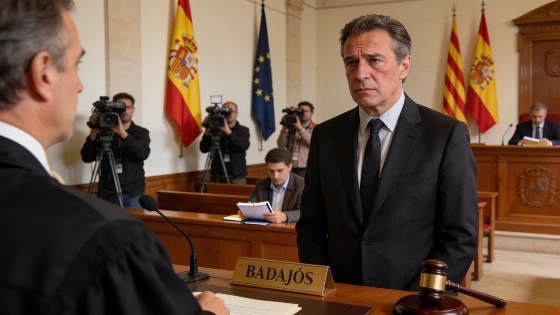
David Sánchez, the younger brother of Prime Minister Pedro Sánchez, has been sentenced to nine years of disqualification from public office for malfeasance. The ruling, delivered in Badajoz, has brought renewed attention to the Sánchez family and intensified scrutiny over the circumstances of David Sánchez's appointment as a coordinator in the region.
The sentencing follows a period of public debate and speculation regarding David Sánchez's professional background and the nature of his role. Despite accusations that his position was tailored specifically for him, the court's decision has been met with criticism from those who argue that the evidence for malfeasance was insufficient. The case has also highlighted the personal toll on the Sánchez family, with both parents, Magdalena and Pedro, facing public hostility linked to their sons' political and professional lives.
David Sánchez, known in his musical career as David Azagra, has spent much of his professional life as an assistant conductor, with notable experience in San Petersburg before relocating to Badajoz in 2017. His move to the city occurred before Pedro Sánchez became Prime Minister, a detail often cited by those defending the legitimacy of his employment. However, the controversy over his appointment has persisted, fueled by perceptions of nepotism and the broader debate over public sector hiring practices in Spain.
Throughout the trial and subsequent media coverage, David Sánchez has faced a barrage of criticism, with detractors labeling him as privileged and undeserving of his post. The case has also underscored the challenges faced by public figures' families, who often become targets of public anger and suspicion. Observers note that the use of family connections to secure employment remains a contentious issue in Spain, where surnames and personal networks can still play a significant role in career advancement.
In the context of Spanish law, malfeasance (prevaricación) refers to the act of a public official knowingly making an unjust decision. Disqualification from public office is a common penalty for such offenses, intended to prevent further abuse of authority. The Sánchez case has reignited discussions about transparency and fairness in public administration, as well as the pressures faced by those connected to high-profile political figures. While the verdict is likely to be appealed, it has already left a mark on the public discourse surrounding political accountability and the boundaries between personal and professional life in Spain.
For context, Spain has seen several high-profile cases involving allegations of nepotism and malfeasance in recent years, reflecting ongoing concerns about the integrity of public institutions. The legal process for such cases typically involves lengthy investigations and judicial review, with outcomes that can influence public trust in government. The Sánchez family's experience illustrates the personal costs that can accompany public service, especially when legal and political controversies intersect.