Margarita Robles visited Ceuta after recent border incidents. Locals voiced anger and fear, demanding reassurance. The minister promised continued military support and direct engagement with residents.
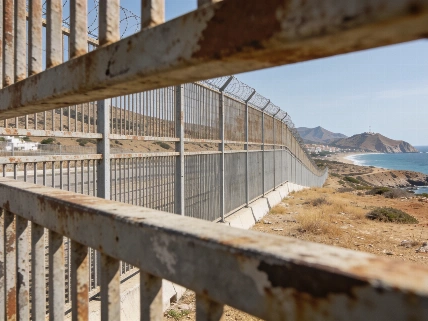
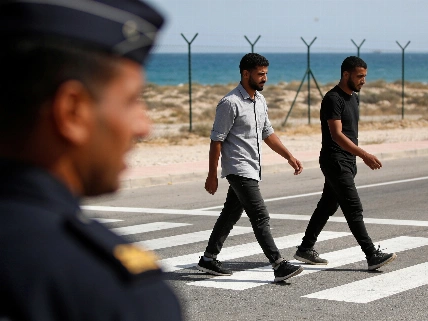
Defence Minister Margarita Robles arrived in Ceuta under heavy scrutiny, as local residents gathered outside the city hall to express frustration and anxiety over recent border tensions. Her visit followed a surge in public concern after reports of a possible new mass entry attempt into the autonomous city. Robles, confronted by shouts and accusations from the crowd, responded by reaffirming that “Ceuta y Melilla no se tocan” and assured that the Spanish Armed Forces would remain committed to the city’s security.
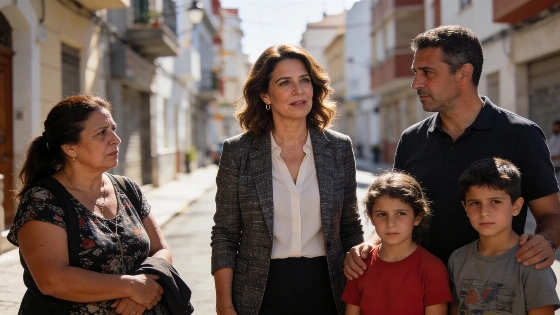
Before her scheduled meeting with Ceuta’s president, Juan Jesús Vivas, the atmosphere was already tense. Residents accused government officials of visiting only for appearances, referencing earlier visits by other ministers. As Robles walked through the area, she was met with cries of “traitor” and claims that the military had been abandoned. Unlike many politicians, Robles stopped to listen. One resident, Pepi, emotionally described her fear and sense of abandonment, explaining how recent events had left her unable to sleep. Robles offered comfort, invited her to join the meeting, and tried to ease her concerns, emphasizing that Ceuta would not be left alone.
Other residents shared similar stories. A father recounted how his children were affected by an incident at the beach, where migrants entering by sea disrupted their day. He thanked Robles for engaging directly, calling her the only official to do so. Another woman, África, approached the minister in tears, saying she no longer felt safe going out alone. Robles responded empathetically, insisting she had seen the reality on the ground and had visited several affected areas that morning. The exchanges were marked by both gratitude and apology, as some residents later expressed regret for their initial anger.
Robles avoided commenting on whether she would appear before the Senate Defence Committee next week, focusing instead on reassuring Ceuta’s population. She highlighted the ongoing efforts of the Armed Forces, who have been supporting the city for over a week. The visit comes at a time when many in Ceuta feel overlooked by national authorities, a sentiment echoed in other Spanish regions facing political uncertainty. For context, the challenges of local governance and coalition-building in Spain were recently explored in the story of Seville’s first democratic mayor, whose leadership during a period of instability is detailed in this analysis of Seville’s political transformation.
Ceuta and Melilla, as Spanish enclaves in North Africa, have long been focal points for migration and border security debates. The Spanish government’s response to incidents at these borders is closely watched, both for its impact on local communities and for broader implications in national politics. The recent events in Ceuta highlight the ongoing tension between local fears and central government assurances, underscoring the importance of direct engagement and transparent communication in times of crisis.