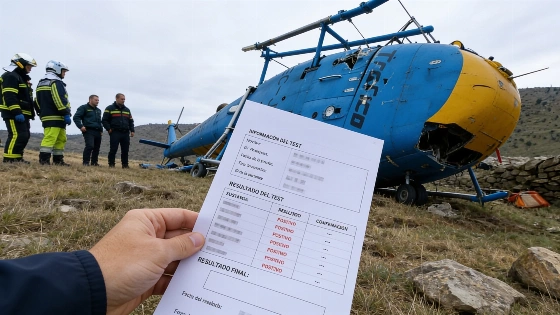
A high-profile DGT helicopter crash in Madrid is back in the spotlight as forensic experts challenge the assumption that the pilot's positive drug test proves impairment during flight. The investigation remains open, with new questions about what really caused the incident.
When a Pegasus helicopter from Spain's Dirección General de Tráfico (DGT) crashed during an emergency landing in Madrid in March 2023, the incident quickly drew national attention. The pilot, responsible for monitoring traffic from the air, survived along with the rest of the crew, but the aftermath soon became more complicated than a typical accident investigation.
In the hours following the crash, the pilot underwent a drug test that returned positive for both cocaine and methamphetamines. This result dominated headlines and led many to assume that drug use was the direct cause of the accident, casting a shadow over the pilot and raising questions about safety protocols within the DGT's aerial operations.
Forensic Analysis Challenges Assumptions
Three years after the crash, the case has taken a significant turn. According to a report from 'The Objective', forensic experts at the Instituto de Medicina Legal y Ciencias Forenses de la Comunidad de Madrid have concluded that the positive drug test cannot be used as definitive evidence that the pilot was under the influence while flying. The test was administered several hours after the accident, making it impossible to determine the pilot's exact state during the flight or the timing of substance consumption.
This new forensic perspective undermines the initial narrative that drug use was the primary cause of the crash. The report highlights that while the presence of cocaine and methamphetamines in the pilot's system is undisputed, there is no scientific basis to confirm impairment at the critical moment of the emergency landing in Robledo de Chavela.
Legal and Investigative Implications
The Juzgado de Instrucción número 3, the court overseeing the case, requested a detailed analysis to assess the relevance of the drug test results. The findings indicate that the test only confirms the presence of substances, not their impact or the timing of ingestion. As a result, the investigation remains open, with the Fiscalía (prosecutor's office) now tasked with deciding whether to file charges or request further inquiries.
This development complicates what once seemed a straightforward case. The inability to establish a direct link between the pilot's drug use and the accident means that the legal process may hinge on additional evidence or expert testimony. The case serves as a reminder of the complexities involved in attributing cause in aviation incidents, especially when toxicology results are not time-specific.
Context and Broader Significance
The Pegasus helicopters are a familiar sight to Spanish drivers, known for their role in traffic enforcement and surveillance. Accidents involving these aircraft are rare, and the combination of a crash and a positive drug test made this case particularly notable. However, as the investigation evolves, it highlights the importance of rigorous forensic standards and the challenges of interpreting toxicology in the context of aviation safety.
For context, Spanish law requires pilots and other critical transport personnel to undergo drug and alcohol testing after incidents, but the timing and interpretation of these tests can be contentious. The outcome of this case may influence future protocols and legal standards for similar investigations.
As the legal process continues, the focus shifts from initial assumptions to a more nuanced examination of evidence. The final decision now rests with the prosecutor, who must weigh the forensic findings before determining the next steps. The Pegasus crash remains a high-profile example of how complex and uncertain the search for answers can be in the aftermath of an aviation accident.