Diego Luna confronts the rise of unapologetic hostility toward migrants, using his latest film Ceniza en la boca to demand empathy and reflection from those who receive newcomers. His message targets not only policy but the everyday attitudes shaping migrant lives.
Diego Luna doesn’t hold back. The Mexican actor and director calls out what he sees as open hatred toward migrants. He says this hostility is now worn like a badge by some. His new film, Ceniza en la boca, is his answer. It’s a direct challenge to the coldness and rejection migrants face every day.
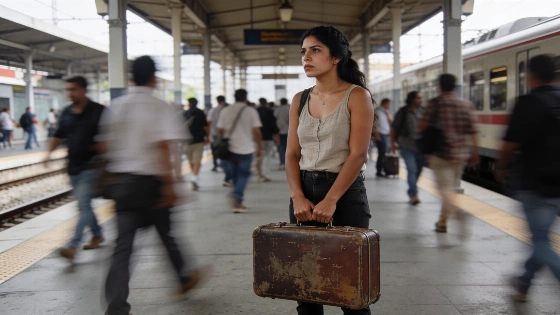
The film tells the story of a Mexican woman who moves to Spain. She follows her mother’s path, hoping to find a place to belong. Luna’s adaptation of Brenda Navarro’s novel skips the journey itself. Instead, it looks at the cracks migration leaves behind, especially in families. The focus is sharp. The real test isn’t for those who leave, but for those who receive them. Luna puts it plainly: “Nobody leaves everything behind on a whim.” He wants the debate to move away from policy talk and toward the real lives of migrants and the people who meet them. Independent sources confirm the film is a direct adaptation of Navarro’s novel. It centers on a young Mexican woman who travels to Madrid to reunite with her mother, who has worked there without legal status for eight years.
Ceniza en la boca was awarded the Premio Agenda 2030 Euskadi Basque Country at the San Sebastián Festival for its nuanced portrayal of migration's social, political, economic, and gender dimensions.
Luna’s criticism is sharp. He points to Donald Trump’s migration policies as a clear example of growing ignorance. He calls it “brutal persecution” and says it shows up in daily acts of exclusion. For Luna, this isn’t just about politics. It’s personal. It’s cultural. He believes the answer starts with those who welcome—or don’t welcome—newcomers. “If we put ourselves in the other’s shoes, that discomfort and fear could become generosity, openness, or at least respect,” he says. He wants people to act, not just repeat slogans. Noticias de Navarra reports that Luna stresses how the modern world exists because of migration. No place can be understood outside this process. The film, he says, is both political and educational.
Luna believes cinema can build empathy. Films like Ceniza en la boca let audiences step into someone else’s life. That can break through the numbness around migration debates. He says independent cinema needs more support. It tells stories that big studios ignore or water down. Luna’s appearance on La Revuelta with David Broncano wasn’t just for promotion. It was a call for a more engaged, compassionate public. Spanish and Latin American media point out that the film doesn’t focus on the act of migration. It shows what comes after—separation, alienation, fragile family ties, bureaucracy, and unstable work. These are the real struggles migrants face after moving.
Europe, and Spain in particular, have become key destinations for Latin American migrants looking for safety and a future. Luna’s film lands at a tense moment. Europe’s image as a “safe harbor” is under pressure. Anti-migrant feeling is rising. Policies are shifting. Luna’s message is clear: host societies have a responsibility. His words echo bigger questions about identity, belonging, and solidarity. These issues have surfaced in other public disputes, like the recent family rift involving Spanish celebrities.
The film also addresses the vulnerability of migrants by depicting the mother character living and working in Madrid without legal status for eight years, highlighting the precarious labor and legal conditions many face. Spanish and Latin American outlets underscore that Spain remains a key destination for the growing Latin American diaspora, situating the story within a real and pressing social context.
Luna doesn’t let viewers off easy. He refuses to offer simple answers or sentimental comfort. Instead, he asks audiences to face their own part in shaping the migrant experience. That means policy, culture, and daily life. Hostility is becoming normal. Ceniza en la boca pushes back. It asks us to rethink what it means to receive, to belong, and to see the humanity in those who arrive with nothing but hope. This isn’t just a film about migration. It’s a mirror. Every new arrival forces societies to decide who they really are.