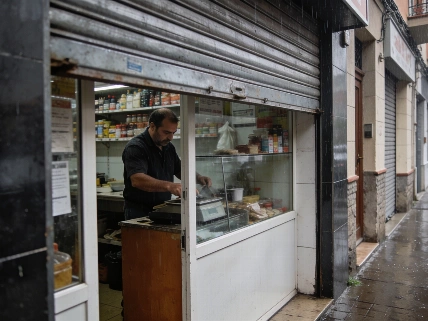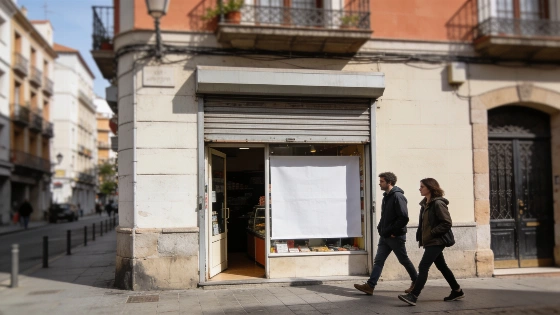
In neighbourhoods without pickets, commercial and workplace activity reportedly stayed close to normal during the 11 November stoppage. The 24-hour action, organised by the Unión General de Trabajadores (UGT), Comisiones Obreras (CCOO), other labour organisations and tenants’ associations, was Spain’s first nationwide general strike in 14 years. Its impact was substantial but uneven: unions reported stoppages of 90% in automotive and port sectors, 85% in meat processing, 82% in waste collection and 75% in energy. Those were union estimates, not a single national turnout figure.
The commentary describes the action as a political strike backed by the Government and unions, and says it failed to halt the country. The unions framed the strike around housing affordability, rents, wages, evictions and working conditions, under the slogan “Salaries. Housing. Prices.” Spain’s government had not officially endorsed the stoppage. It took place less than three weeks before the snap election on 29 November, called by Prime Minister Pedro Sánchez after his minority government failed to secure parliamentary approval for housing measures. The election had originally been expected in 2027. The commentary casts the stoppage as an attempt to mobilise left-wing voters, while the strike’s stated demands focused on social and economic issues.
The housing campaign was tied to nationwide protests and the September eviction of Maricarmen Abascal, an 87-year-old Madrid pensioner who died several days later. UGT General Secretary Pepe Álvarez called participation “massive,” saying that a total stoppage in some regions made the strike a success. In Catalonia, CCOO initially estimated participation at 84%, based on night and morning shifts and excluding workers assigned to minimum services. The stoppage affected workplaces, road and rail transport, as well as industrial activity, while legally established minimum services continued to operate.
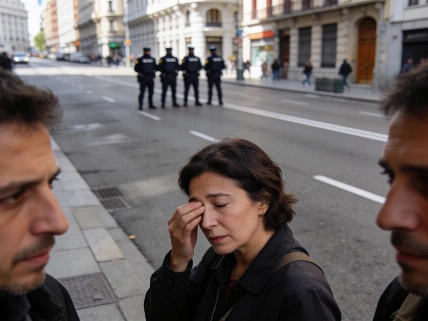
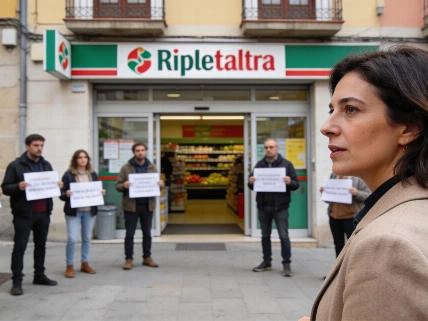
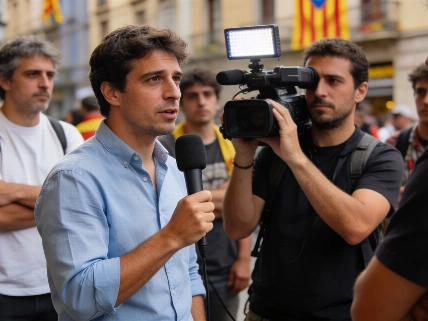
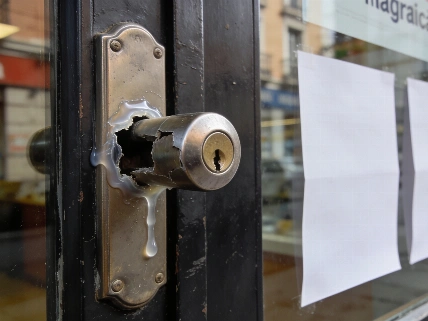
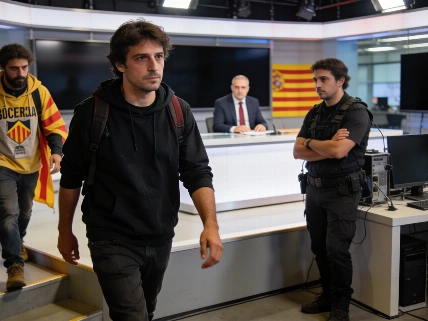
The commentary also argues that the strike put street intimidation on display. It alleges that pickets coerced and attacked workers. Catalan authorities reported that minimum services were generally being maintained and that the initial hours were peaceful, with no serious incidents reported.
The account of Catalonia focuses on the Mossos, whom it says watched picket activity with little intervention. The Government of Catalonia published minimum-service levels for the strike on 9 November; they applied across public and private sectors. The commentary suggests the Generalitat may have directed the police response. The strike put housing, rents, wages and public services at the centre of the final weeks before the election, with demonstrations planned in Madrid, Barcelona, Seville and other cities.
The commentary compares the episode with Francis Veber’s play La cena de los idiotas, in which Pignon proves more perceptive than those who mock him. It closes with José Peláez’s account on X: he suggested that the alleged political violence might persuade hesitant voters to support the right.