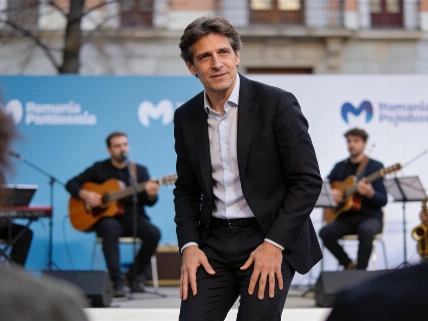
Guillermo Alejandro, known internationally as King Willem-Alexander, and Queen Máxima of the Netherlands were expected to spend less time at their private villa in Kranidi, Greece, in summer 2026, with official duties scheduled to resume earlier than in previous years. Their institutional commitments remained active through July, departing from a holiday pattern that has repeatedly drawn criticism in the Netherlands over the length of royal absences abroad.
The summer agenda was set to resume with Willem-Alexander’s public engagements on July 22, including the reopening of Noordeinde Palace and the Royal Stables to visitors. Máxima was due to follow on July 25 at the opening of WorldPride 2026 in Amsterdam. The ceremony was planned for Vondelpark, where the queen was expected to welcome participants at a major international gathering for the LGTBIQ+ community.
The State Information Service of the Netherlands has not disclosed details of the family’s travel arrangements, treating their vacations as private matters. Their daughters, Amalia, Alexia and Ariane, were not expected to join them for the entire stay, as each increasingly makes her own summer plans.
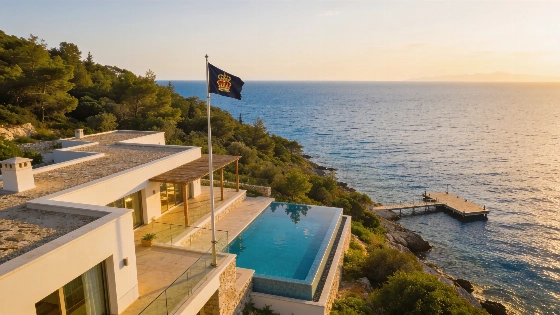
The royal couple acquired the Kranidi villa in 2012, and it has been their summer retreat for more than a decade. The property stands on a 4,000-square-meter plot overlooking the Aegean Sea. It includes three buildings, a panoramic pool and a master suite of nearly 100 square meters with a jacuzzi. A private dock was added later, drawing criticism from neighbors and environmental groups over concerns that it restricts coastal access.
The scrutiny surrounding the Greek retreat dates back to the October 2020 pandemic controversy. Willem-Alexander, Máxima and their daughters left for Greece on October 16, as the Dutch government urged the public to limit travel amid tightening restrictions. The king announced that evening that they would cut the holiday short. He, Máxima and one daughter returned the following day, while their other two daughters came back later. Although the journey was not formally prohibited, it was widely criticised as inconsistent with public-health guidance.
Prime Minister Mark Rutte later acknowledged that he knew about the trip and should have advised the royal family against travelling. Five days after the family’s return, Willem-Alexander and Máxima issued a public apology in a video recorded at Huis ten Bosch Palace, recognising that their decision had been an error of judgment. The episode drew more public attention to the timing and duration of royal holidays, and to expectations that the monarch should reflect government guidance.
That debate has continued alongside questions about royal spending, state transport and the cost of the monarchy. A poll attributed to NOS and Ipsos I&O found that 52% of respondents believed less public money should be allocated to the monarchy. Separate reporting on an October 2026 stay in Greece said Willem-Alexander was away for 12 days and Máxima for 19; the couple reportedly arrived on October 9 aboard the government aircraft, with official engagements scheduled to resume on October 28. Those autumn figures concern a separate trip from the summer schedule.
The shorter summer break formed part of a broader public discussion about how private time abroad sits alongside the royal couple’s ceremonial and constitutional responsibilities. The villa remains a symbol of the family’s connection to Greece, while the length and timing of stays there continue to attract attention in the Netherlands.