A major study finds that electric vehicles in Germany have become significantly cheaper in real terms, while gasoline and diesel cars have grown more expensive. The shift is driven by industry maturity and changing consumer options.
Electric cars in Germany are now bucking a long-standing trend: for the first time, their real prices are falling while traditional gasoline and diesel vehicles are getting more expensive. This reversal, confirmed by a comprehensive study from the International Council on Clean Transportation and the Fraunhofer Institute for Systems and Innovation Research, marks a turning point for the automotive industry.
Researchers analyzed car market data from 2020 to 2025, adjusting for inflation and technological improvements. Their findings are clear: the real price of fully electric cars dropped by 18% over five years, while combustion engine models rose by 2%. This shift is not a temporary blip, but the result of growing industrial maturity in the electric vehicle sector.
Yet the story is more complex than headline numbers suggest. The average sticker price for new electric cars actually climbed from €37,000 to €53,000 during the same period. The study explains this apparent contradiction: manufacturers have moved away from basic city cars, focusing instead on better-equipped, mid- and high-end models. Today, nearly three-quarters of new electric cars sold are in these higher segments, offering more features and longer range.
One key driver behind falling real prices is the rapid evolution of lithium-ion battery technology. Between 2020 and 2025, battery pack production costs dropped by up to 37%. However, this cost reduction did not fully translate into lower retail prices, as brands chose to fit larger batteries to boost driving range rather than aggressively cut prices.
The market itself has changed dramatically. In 2020, German buyers could choose from just 38 electric car models. By 2025, that number had soared to 159. Meanwhile, the range of combustion engine options shrank from 275 to 194, reflecting a shift in manufacturer priorities and the growing impact of stricter European emissions rules.
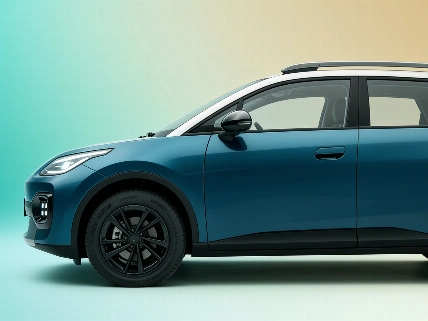
Rising prices for gasoline and diesel cars are partly due to the need for complex emissions control systems and the gradual loss of economies of scale as investment shifts toward electrification. This mirrors trends seen in other parts of the industry, such as the growing focus on urban electric vehicles highlighted in recent launches of compact EVs.
If current innovation in battery storage and production efficiency continues, analysts expect price parity between electric and combustion cars to become the norm in showrooms within a few years. For consumers, this could make electric vehicles not just a cleaner choice, but the most competitive option on the market.
For context, Germany is Europe's largest car market and often sets the pace for broader trends across the continent. The shift in pricing dynamics may accelerate the adoption of electric vehicles elsewhere, especially as more models become available and regulatory pressure on emissions intensifies. The coming years will test whether these trends hold as technology, policy, and consumer preferences continue to evolve.