Electric vehicles in Spain are no longer reserved for the wealthy. A new wave of budget-friendly models is making sustainable mobility a real option for ordinary families, forcing the market to rethink what is possible.
For years, high prices kept most Spanish drivers from considering electric cars. That is starting to change. Several manufacturers now offer models below the old entry-level price, making battery-powered vehicles an option for households that once saw them as out of reach.
This shift is not the result of a single breakthrough. Instead, it comes from several changes at once. Chinese brands have entered the Spanish market with lower prices, while established European makers have cut costs and expanded their offerings. Government incentives, though sometimes inconsistent, have also helped bring prices down. The sticker shock that once defined electric cars is quickly fading.
Spain's new Auto+ scheme, effective from January 2026, offers up to €4,500 for electric car purchases and requires dealers to provide at least a €1,000 discount.
According to Google/SpainAuto, the latest affordable electric cars include compact city models and small SUVs, with some now listed below €20,000 after subsidies. Just two years ago, even the most basic electric cars cost much more. The change is not only about price—it is about who can now consider buying an electric car.
Dealers say they are seeing more interest from first-time EV buyers. Lower prices have attracted families, retirees, and young professionals who previously ruled out electric cars. Price is not the only draw: better range, faster charging, and a growing network of charging stations have made electric cars more practical for daily life in Spain.
Still, the shift is uneven. Rural areas often lack reliable charging infrastructure, and some buyers worry about battery life. Government incentive programs have also been criticized for being complicated and slow to roll out. Even so, the trend is clear. As reported earlier, competition between Chinese and European brands is heating up, with each new model pushing prices lower and adding more features.
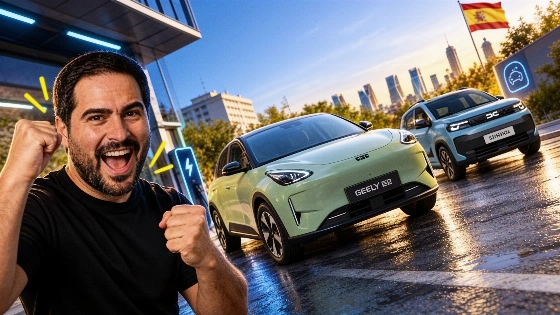
Industry reports for 2026 highlight that models like the BYD Dolphin Surf have reached prices as low as €12,605 in Spain when combining promotional discounts, government support, and energy efficiency certificates. Geely's entry with the E2 at around €18,505 further increases pressure on European competitors, according to sector analyses.
For Spain's car market, this is more than a story about price. It marks a change in what buyers expect and what the industry must deliver. Electric cars are no longer just for early adopters or the environmentally focused. Manufacturers who do not adapt risk falling behind as buyers look for both affordability and sustainability. The main question now is whether these new models will prove reliable and hold their value over time. But the old price barrier is gone, and there is little sign it will return.