New car registrations in Aragón have shot up this year, with electric and hybrid models leading the way. Rising fuel prices and government incentives are changing how people in the region buy cars.
Aragón’s car market is changing fast. So far this year, 13,100 new vehicles have been registered. That’s a sharp rise from 10,700 in 2025. The main reason is clear: more people want electrified cars. Buyers are reacting to higher fuel prices and government incentives. Official industry data shows this isn’t just a local story. Across Spain, sales of electrified passenger vehicles grew by 37.9% in the first half of 2026. These cars now make up 21.8% of all new registrations. Aragón’s growth fits into this bigger national shift.
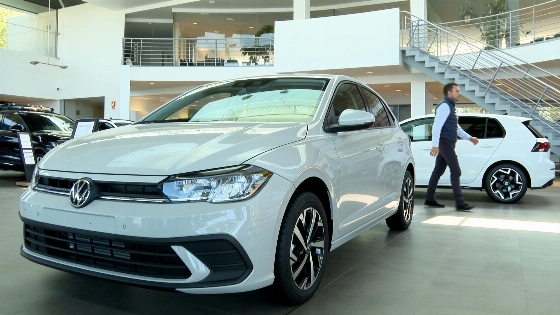
Dealerships are seeing the change up close. At Volkswagen Zaragoza, electric car sales have already doubled compared to all of last year. Luis Enrique García, the commercial director, points to the savings: “Driving 100 kilometers in an electric car costs about one to one and a half euros, while the same distance in a combustion vehicle runs to six euros.” National numbers back this up. From January to June 2026, Spain registered 71,086 fully electric vehicles. That’s a 35.4% jump from the year before, according to sector associations.
In September 2026, battery electric vehicles in Spain saw a particularly strong surge, with 8,269 registrations in just the first 18 days—a 73.2% year-on-year increase.
Government support is making a difference. The Auto+ program gives up to 4,500 euros toward buying an electric car. This makes switching easier for many families. But recent public statements make it clear: these incentives are only for zero-emission vehicles, not all hybrids. That’s something buyers need to keep in mind. In August, Aragón registered 152 more hybrid cars and 65 more electric cars than in the same month last year. This shows a clear change in what people are choosing. Nationally, plug-in hybrids are also on the rise, with registrations up 36.4% year-on-year for January to August 2026, according to sector reports.
There are more choices now than ever. Buyers can pick models starting at 17,000 euros, like the new id Polo, or go for high-end options such as the id7 at 70,000 euros. Raúl Morales, communications director at Faconauto, says the price gap between electric and combustion cars is shrinking. Worries about charging or range are fading as technology improves and becomes more common. Still, the fast growth in sales is putting pressure on infrastructure. By the end of June 2026, Spain had 56,682 active charging points. This number keeps the debate going about whether the charging network can keep up with demand.
By January–August 2026, hybrids remained the largest segment among new electrified vehicles in Spain, with 387,507 conventional hybrids and 108,958 plug-in hybrids registered. This underscores that the electrification trend is not limited to pure electric cars but includes a broad spectrum of technologies.
Spain is starting to catch up with Europe’s leaders in electrified vehicles. This year, about 600,000 electrified cars are on Spanish roads. But the national goal is much higher: 5.5 million electric vehicles by 2030. By mid-2026, only about 17.5% of that target has been reached, according to official estimates. The country is moving fast, but there’s still a long way to go.
Aragón’s numbers are strong, but the shift is happening all over Spain. As reported earlier, the Spanish car market is changing not just because of electrification, but also due to new buying habits and gaps in regulation, especially in the used car sector.
What’s different in Aragón is how quickly buyers are adapting. Volatile fuel prices, generous subsidies, and more electric models are pushing the region ahead in Spain’s car transition. The numbers show that when savings and incentives line up, even traditional markets can change fast. The big question now is whether this pace can last as Spain pushes toward its electrification goals.