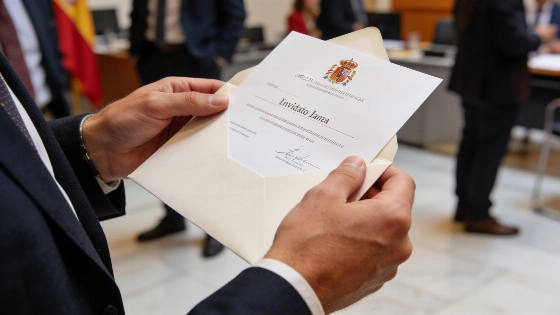
The Fundación Princesa de Asturias has alerted the public to counterfeit invitations for the 2026 awards. Only official invites are valid. Attendance is always free—no payment or documents are needed. Authorities are investigating.
Scammers are distributing fake invitations to the 2026 Premios Princesa de Asturias ceremony, prompting an urgent warning from the Fundación Princesa de Asturias. The foundation stresses that only invitations sent directly from their office are valid. Any other message should be treated with caution. This warning comes as the high-profile event in Oviedo approaches, with the royal family expected to attend.
The first report of identity theft involving fake invitations reached authorities in July. Since then, more cases have emerged, raising concerns about the security of the invitation process and the risk of guests being deceived. The foundation is clear: neither the Casa de Su Majestad el Rey nor any other official or private group is allowed to distribute invitations for the awards or related events.
EFE
Attendance at the Premios Princesa de Asturias and related ceremonies is always free. The foundation repeats that no payment, donation, or scanned documents are ever needed to receive an invitation. Any request for money or personal information is a warning sign. Anyone who receives a suspicious invitation should contact the foundation immediately at avisos@fpa.es.
This is not the first time royal events in Spain have drawn unusual attention. As reported earlier, even lighthearted tributes to the monarchy can spark widespread interest and unexpected reactions across the country.
The foundation’s quick response shows the real risks of digital fraud around major public events. With international attention on the ceremony and high demand for access, both organizers and guests face new challenges. By insisting on direct communication and working with authorities, the foundation aims to protect the awards and everyone involved.
El Confidencial Digital
Spain’s experience with high-profile events shows the need for vigilance, especially when the royal family is involved. The foundation’s message is clear: trust only official channels, and report anything suspicious right away. As scams become more sophisticated, the Fundación Princesa de Asturias is focusing on transparency and public awareness to protect the event and its guests.