The Spanish coastline remains a place of both wonder and unease. Generations face the vastness of the Cantabrian Sea, where memories, dangers, and legends persist. Even as families return, the ocean’s presence never fades.
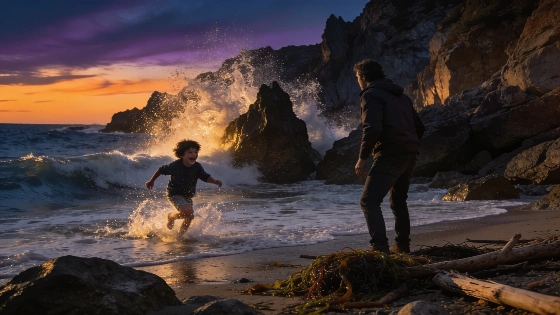
The Spanish coast, especially along the Cantabrian Sea, continues to evoke a complex mix of awe and apprehension for residents and visitors alike. In Valencia, on the Malvarrosa beach, families gather as children play in the surf, seemingly fearless before the cold waves. Yet beneath the laughter, the sea’s vastness and unpredictability remain a source of unease for many adults, shaped by memories and stories passed down through generations.
For some, the ocean is a scene of beauty, immortalized by artists like Sorolla or described in the words of Vicent. Others, however, see it as a force beyond comprehension—a living metaphor for eternity and human limitation. The Cantabrian’s relentless tides and sudden storms have long been part of local lore. In Asturias, for example, sudden galernas can transform calm waters into deadly traps for fishermen, a risk that persists despite advances in forecasting and safety.
Personal histories intertwine with the landscape. Many recall childhood visits to wild, stony beaches, where the absence of crowds and the presence of seaweed, coal, and even tar left lasting impressions. The memory of a parent braving the cold, rough surf—emerging with salt on their skin and a catch in hand—remains vivid for those who grew up along these shores. Yet, as time passes, the sea outlasts even the strongest figures in these stories, a reminder of its enduring presence and indifference to human fate.
Recent years have brought both destruction and renewal. The furious sea once destroyed the Museo del Calamar Gigante in Luarca, a loss felt deeply in the region. The museum has since reopened, drawing visitors eager to learn about the mysteries lurking beneath the waves. Meanwhile, children like Candela continue to play in the surf, undeterred by the cold or the legends that haunt their elders. Their laughter stands in stark contrast to the quiet anxiety felt by those who remember past tragedies or imagine what lies beneath the surface.
Environmental concerns now add a new layer to the relationship between Spaniards and the sea. Microplastics, marine debris, and the impact of climate change are increasingly visible along the coast. The Cantabrian remains full of wonders—crabs, centollos, and other marine life—but also carries reminders of human impact. As families return to the beaches each summer, the ocean’s dual nature as both playground and potential threat is never far from mind.
Spain’s connection to the sea is not unique. Around the world, coastal communities face similar challenges and fascinations. A recent analysis of marine disasters, such as the wildfire tragedy in Almería where evacuation errors led to loss of life, highlights how quickly natural forces can overwhelm human plans. For more on how sudden events can reshape entire communities, see this report on the Los Gallardos wildfire.
Despite the risks and the memories of loss, the sea remains a central part of Spanish identity. Its presence shapes daily life, inspires art and literature, and challenges each new generation to find their own balance between respect and enjoyment. The tides continue, indifferent to human stories, but the fascination endures—on the beaches of Valencia, the cliffs of Asturias, and beyond.