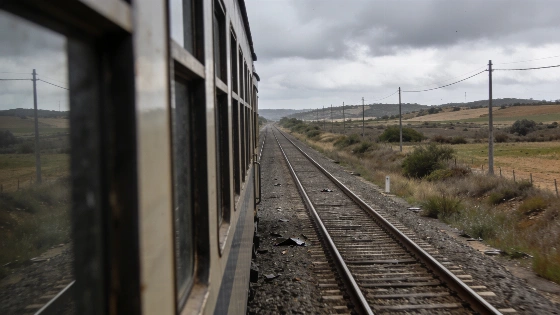
The Urda rail accident killed 69 people when a Renfe high-speed train hit the rear of a stationary Iryo train on 28 October near Urda, in Toledo province, about 130 kilometres south of Madrid. CBS News cited officials reporting 58 people injured, while other reports put the number above 200. Spanish authorities said all 69 victims had been identified by 3 November; four U.S. citizens were among those killed.
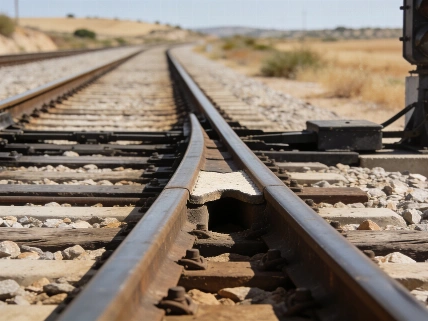
Reuters reported that a signal failure had automatically stopped the trains, but the Renfe service was later authorised to continue at normal speed while the Iryo train remained ahead. The Urda collision followed a derailment at Adamuz involving a Renfe AVE service, in which 46 travellers died. Investigators were still examining the operational and signalling circumstances of the Urda crash when senior transport officials left office.
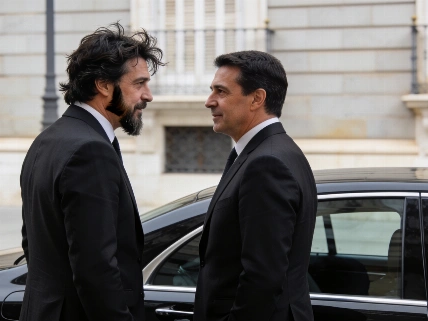
In a TVE interview, first deputy prime minister Carlos Cuerpo said restoring confidence in the railway network remained the Government’s focus. He took temporary charge of the Ministry of Transport after Óscar Puente announced his resignation on 3 November, following an appearance before the Permanent Delegation of Spain’s Congress to address the disaster. Puente also said he would not stand on the Socialist Party’s electoral lists ahead of the 29 November general election.
Adif president Luis Pedro Marco de la Peña resigned on 4 November after meeting Cuerpo. Adif manages Spain’s rail infrastructure and the systems that handle signalling and traffic control. Cuerpo said Marco de la Peña had submitted his resignation and described the decision as appropriate, not a dismissal.
PP leader Alberto Núñez Feijóo called Puente’s resignation “teatrillo” (“political theatre”) and urged voters to make Pedro Sánchez resign at the 29 November election.