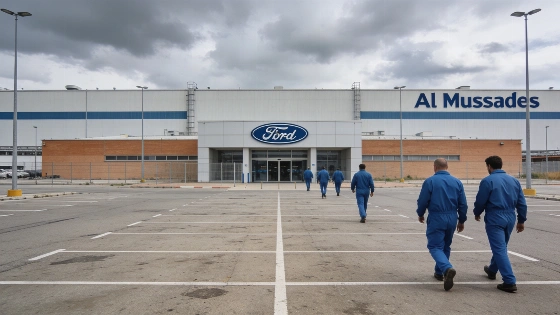
Ford’s Almussafes factory in Valencia is running at a fraction of its capacity, with taxpayers footing the bill to keep jobs alive. The plant’s future now hinges on delayed investment from China’s Geely.
In 2025, Ford’s Almussafes plant in Valencia barely moved the needle. The factory, once able to turn out more than 400,000 vehicles a year, managed just 98,591 units. That’s a deep freeze for one of Spain’s biggest industrial sites. Ford España’s latest financials show this is an 18.69% drop from 2024. The numbers tell the story. The decline is sharp.
But the real cost lands on Spanish taxpayers. To keep jobs alive during the slump, authorities have spent over 35.2 million euros on wage supplements. More millions have gone to unemployment benefits, social security breaks, and targeted subsidies from the PERTE program for electric vehicles. The total bill runs into the tens of millions. All of it is meant to stop the region’s industry from collapsing. Independent analysts put the plant’s historic capacity at 400,000 to 500,000 vehicles a year. Today’s output is less than a quarter of that.
In 2025, Almussafes focused almost exclusively on producing the Ford Kuga, with the battery shop assembling 83,879 batteries for local vehicles.
The cause is clear. Ford’s pivot to electric cars left Almussafes in limbo. Production of the Mondeo, S-Max, Galaxy, and Transit Connect ended. Output crashed. The company and government scrambled. They used temporary layoffs, voluntary exits, early retirements, and buyouts. These measures have been extended or renegotiated more than 18 times in five years. Levante-EMV reports production fell from over 211,000 vehicles in 2023 to 121,250 in 2024. By 2025, it dropped to 98,591. The slide is steep.
Workers left behind face long stretches of regulated inactivity. Some have taken buyouts or left on their own. Others wait. There’s talk of a new hybrid platform and a 30% stake deal with China’s Geely Holding Group. But real change is still out of reach. Several independent sources say labor talks drag on. Pay and working conditions remain unsettled for more than 4,100 employees as of September 2026.
This isn’t just a local problem. Spain’s whole car industry feels the pressure from the global shift to electric vehicles and the rise of Chinese manufacturers. Earlier reports show the Almussafes case puts a price tag on the transition—one paid by workers and the public. Independent reviews say the Ford–Geely joint project, announced in July, gives Ford 66% and Geely 34%. Production is set to start in the first half of 2027. The first new vehicles should roll out in 2028.
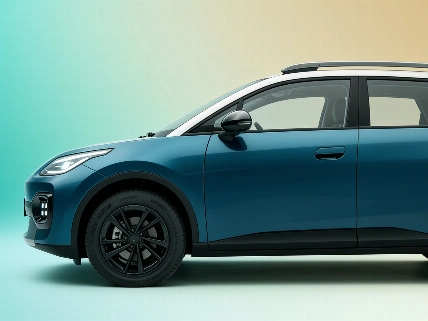
The upcoming joint venture between Ford and Geely is set to bring at least two Geely electric vehicles and one new Ford model on a multi-energy platform to Almussafes, aiming to revitalize the plant’s output and secure its future role in Europe’s evolving automotive landscape.
Everything now hangs on Geely’s promised investment. The plant must adapt to the electric age. Propping up jobs with public money can’t go on forever. The next few years will test the factory’s resilience. They will also test how far Spanish society is willing to go to keep this plant alive, hoping for a new industrial future.