José Ángel González, ex-deputy director of the National Police, has requested the closure of the sexual assault case against him. The defense claims insufficient evidence. The court recently decided to keep the investigation open.
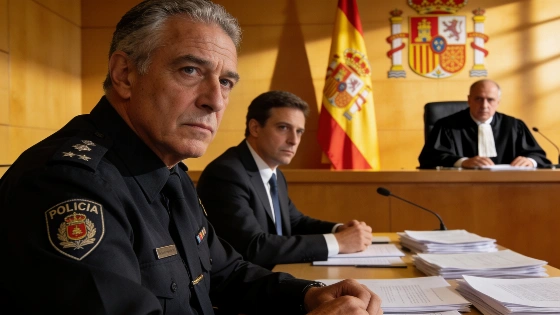
The legal battle surrounding José Ángel González, who served as director adjunto operativo (DAO) of the Policía Nacional until his resignation in February, has intensified as his defense formally requested the closure of the ongoing sexual assault investigation. González faces allegations from a fellow officer, who accused him of rape, prompting a high-profile judicial process that has drawn attention within Spain's law enforcement community.
The defense, led by lawyer José Carlos Velasco, argues that the evidence presented does not meet the threshold required to sustain criminal charges. According to the defense, the complainant's account has shifted during her statements to the judge and as audio recordings were reviewed, undermining the consistency of her testimony. Velasco further contends that the context of the relationship between González and the accuser—marked by previous personal involvement—raises questions about the motives behind the complaint, suggesting elements of jealousy and professional interests may be at play.
Judge David Maman Benchimol, who is overseeing the case, decided in June to escalate the investigation to a formal ordinary summary proceeding. This procedural step, which replaced the earlier preliminary inquiry, is typically reserved for cases where the alleged offenses could result in more severe penalties. However, it does not automatically trigger a trial or conclude the investigation. The judge also invited both parties to propose additional lines of inquiry, signaling that the case remains open for further examination.
The legal team representing the alleged victim, led by Jorge Piedrafita, welcomed the judge's decision to continue the investigation, emphasizing that a sufficient evidentiary basis exists to justify ongoing judicial scrutiny. This stance contrasts sharply with the defense's position, which maintains that the available evidence is too weak to justify any formal charges against González.
Cases involving senior police officials and allegations of misconduct have become increasingly visible in Spain, reflecting broader debates about accountability and transparency within public institutions. The current proceedings echo other recent high-profile legal disputes, such as the ongoing investigation into the Andic homicide, where the defense has also challenged the sufficiency of evidence and police procedures. For example, the complexities of judicial processes and the role of legal arguments were highlighted in the coverage of the Andic case, as detailed in this recent report on a major Spanish court battle.
In the Spanish legal system, the transformation of a case from preliminary investigation to ordinary summary is a significant procedural move, often indicating that the court sees potential grounds for serious charges but has not yet determined whether a full trial is warranted. The outcome of González's request to close the case will depend on the judge's assessment of the evidence and the arguments presented by both sides. As the process continues, the case underscores the challenges of balancing due process with the need for institutional accountability in Spain's justice system.