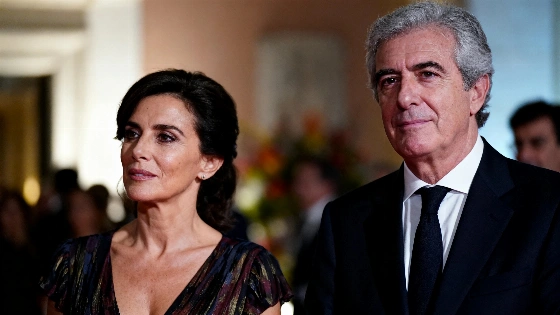
Iñaki Gabilondo and Carlos Alsina, separated by nearly 30 years in age, have each set standards in Spanish journalism. Their mutual recognition highlights the evolution and influence of radio in Spain.
Two of Spain’s most influential radio journalists, Iñaki Gabilondo (83) and Carlos Alsina (56), have become benchmarks for professionalism and integrity in the country’s media landscape. Despite a generational gap of almost three decades, both have left a lasting mark on how news is reported and discussed, with their careers now studied in journalism faculties across Spain.
Gabilondo, often cited as one of the most important voices in Spanish journalism, has narrated key moments in the country’s recent history. His approach, marked by objectivity and reflection, has influenced generations of broadcasters. Alsina, meanwhile, has built his reputation as the director of Más de uno on Onda Cero, earning recognition for his analytical style and measured tone.
Their mutual respect is not just symbolic. Alsina has openly discussed his admiration for Gabilondo, noting that he values the periods when Gabilondo maintained a reflective and balanced approach to news analysis. Alsina has also acknowledged that even the most seasoned journalists can be drawn into activism during turbulent times, referencing Gabilondo’s own reflections on his career. This candid perspective highlights the pressures and ethical dilemmas faced by journalists in Spain’s fast-changing media environment.
Gabilondo, for his part, has described Alsina as an outstanding professional, emphasizing that while the era of radio “stars” may have shifted, Alsina’s high standards and adaptability set him apart. Gabilondo’s concise praise underscores the respect that exists between these two figures, despite their different styles and career trajectories.
Alsina has also spoken about his own discomfort with the visual and promotional aspects of modern media. He prefers to remain behind the microphone, focusing on content rather than personal branding. This stance sometimes contrasts with the expectations of his station, Onda Cero, which encourages presenters to embrace a more public profile in an increasingly visual media landscape. Alsina’s reluctance to step into the spotlight reflects a broader debate within Spanish radio about the balance between personality and substance.
Beyond their views on each other, Alsina has commented on other prominent figures in Spanish radio, such as Julia Otero and Luis del Olmo. He has described Otero as a strong presence at Onda Cero, noting that real debates and occasional tensions have marked their professional interactions. Regarding Luis del Olmo, Alsina credits him with teaching the art of structuring and harmonizing a radio program, expressing gratitude for the trust and support he received early in his career.
The careers of Gabilondo and Alsina illustrate the evolution of Spanish radio from the era of iconic voices to a more fragmented, multimedia environment. Their mutual recognition is a reminder of the enduring value of professionalism and thoughtful journalism, even as the industry adapts to new challenges. In a media landscape where rapid change is the norm, their example continues to resonate with both colleagues and listeners.
Spanish radio has long played a central role in shaping public opinion and informing citizens, especially during periods of political transition and social change. The influence of figures like Gabilondo and Alsina is evident in the way current affairs are discussed and analyzed on air. For context, the importance of rapid response and adaptability in Spanish media was also highlighted recently when more than 2,000 people were evacuated from a Madrid office tower after a fire, prompting companies like Moeve to shift to remote work—a development covered in detail in our report on the Moeve Tower evacuation. Such events underscore the ongoing need for reliable, trusted voices in Spanish journalism.