Spanish police intercepted 1,410 kilos of cocaine hidden near a beach in A Pobra do Caramiñal. Three suspects, including the alleged leader of Os Fanchos, were arrested. The operation prevented the drugs from reaching Central Europe.
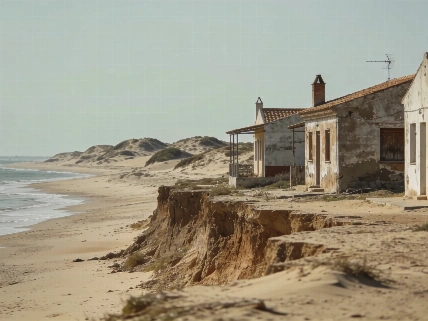
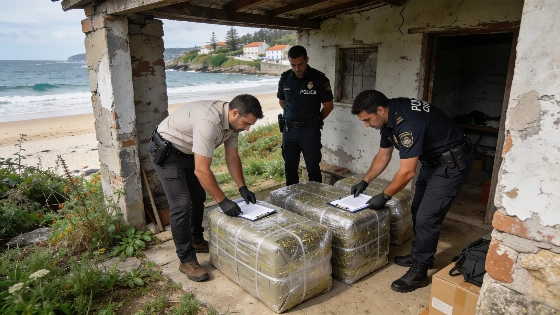
A major police operation in the north of the Ría de Arousa has exposed the ongoing collaboration between Galician speedboat crews and international cocaine trafficking networks. Authorities seized 1,410 kilos of cocaine hidden in a shed near the beach at A Pobra do Caramiñal (A Coruña), a shipment allegedly destined for the Balkan Cartel. The intervention halted the distribution of the drugs before they could leave Galicia for Central Europe.
Three suspects were detained during the operation, including Rafael Rivas Gey, identified by police as the leader of the Os Fanchos group. Rivas is believed to have coordinated both the reception and the concealment of the cocaine. Two associates were also arrested, one of whom is Croatian and reportedly responsible for overseeing the handover of the shipment to its intended recipients. The arrests followed a series of surveillance actions after police received intelligence that two boats had collected a large consignment at sea and landed it on the Galician coast.
The investigation was led by the Greco Galicia Unit of the Central Narcotics Brigade, with support from the US Drug Enforcement Administration (DEA). Their efforts focused on preventing the drugs from reaching their final destination in Central Europe. According to the Ministry of Interior, the final phase of the operation began on August 20, when agents were alerted to suspicious maritime activity off A Pobra do Caramiñal. Surveillance quickly centered on Rivas, who was observed making several trips between his home and a nearby shed, accompanied by two men. The group was seen moving heavy packages from the shed to another property in the same municipality, raising suspicions that the cargo was cocaine.
Police moved in as the transfer was underway, detaining all three suspects and securing the drugs. Subsequent searches of Rivas's home, the shed, and a third property uncovered not only the cocaine but also 100 grams of heroin, cash, and other items relevant to the investigation. The detainees have been charged with membership in a criminal organization and drug trafficking. After appearing in court on Monday, all three were remanded in custody.
This case highlights the persistent role of Galician maritime groups in facilitating international drug routes, often acting as specialized service providers for foreign cartels. The region's rugged coastline and maritime tradition have made it a focal point for such operations. Spanish authorities have intensified their crackdown on these networks in recent years, sometimes applying new legal strategies, as seen when prosecutors began using piracy charges against violent traffickers at sea—a move detailed in a related report on recent legal actions against maritime drug gangs. The latest arrests in A Pobra do Caramiñal underscore the ongoing challenges faced by law enforcement in disrupting the logistics of international narcotics trafficking through Spain.
Galicia's strategic location and its history of smuggling have long attracted criminal organizations seeking access to European markets. The involvement of foreign nationals, such as the Croatian suspect in this case, reflects the increasingly transnational nature of these operations. Spanish police continue to coordinate with international agencies to target both local facilitators and the global networks they serve. The outcome of this case may influence future tactics in the fight against organized drug crime along Spain's Atlantic coast.