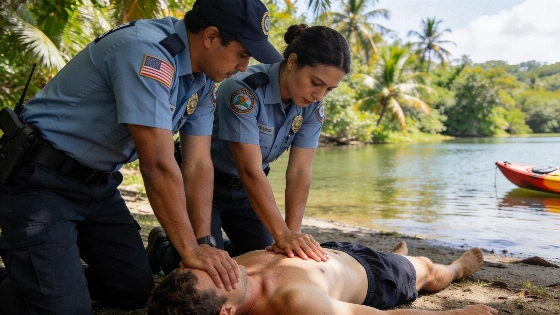
German consul Mario Genz died on Saturday after an emergency while swimming in Costa Rica’s Río Cuarto lagoon, in Alajuela province. The incident happened at a recreational center about 75 kilometers north of San José, where Genz, 53, was swimming. The center's administration said staff responded immediately, pulled him from the water and tried to help until emergency services arrived.
The Costa Rican Ministry of Foreign Affairs confirmed Genz's death on its official X account and offered condolences to his family and colleagues. The Association for the Integral Development of Río Cuarto, which manages the recreational facility, said Genz was swimming in the lagoon when the situation escalated. Its statement did not specify what happened, while local media suggested a kayak may have overturned, leading to the drowning.
Red Cross and fire department rescue teams arrived quickly and performed cardiopulmonary resuscitation for about thirty minutes, but could not revive him. The center's administration later said it would release no further details about the death, citing respect for the family and German diplomatic authorities. Genz was a certified diver and a regular visitor to the Río Cuarto lagoon, where he often swam and dived.
The tragedy follows other recent incidents in the region that required challenging rescue operations. In Arteixo, Galicia, for example, a fatal house fire prompted a major emergency response, as reported in a previous case involving a deadly fire in Oseiro parish. Such events highlight risks in recreational and residential settings, where rapid intervention depends on clear safety protocols.
Diplomatic missions often involve travel and local activities, exposing officials to unexpected hazards. The Río Cuarto lagoon is popular with locals and visitors, and the incident may prompt a review of safety measures at similar sites across Costa Rica and beyond. The German embassy and Costa Rican authorities have not announced changes to current procedures. The incident has drawn attention to facility operators’ responsibilities and the need for emergency readiness.