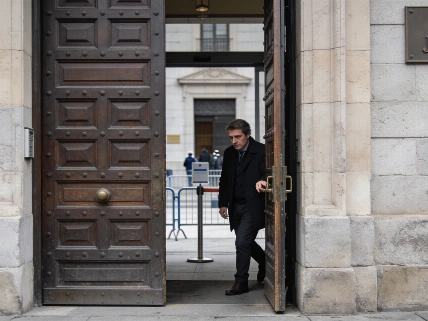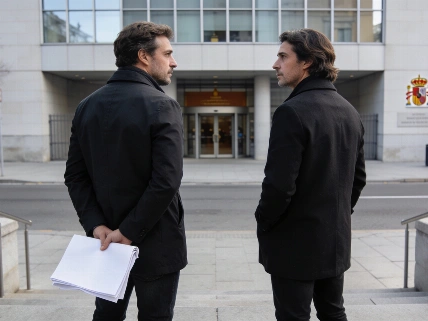
Gonzalo Bernardos, economist and professor at the University of Barcelona, has sharply criticized the government’s proposed housing decrees. He argues these measures will make it harder for tenants to find homes and push landlords to withdraw properties from the market.
Rental hunting in Spain is about to get tougher. Gonzalo Bernardos, economist and University of Barcelona professor, says the government’s new housing decrees could trap both tenants and landlords. He sees trouble ahead.
On October 2, 2026, Spain's Congress rejected two emergency housing decrees, meaning proposed measures like rent cap extensions and contract renewals are no longer in effect.
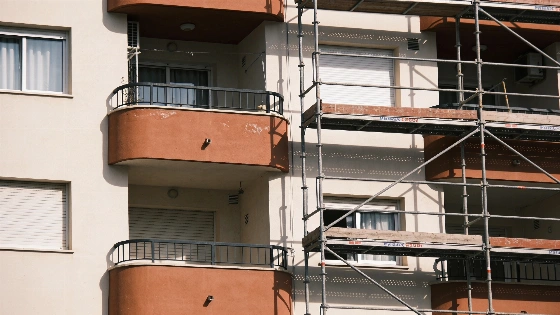
Bernardos points to a shrinking supply. He says the two decrees "aumentan el riesgo de alquilar para los propietarios y disminuyen la rentabilidad." Many landlords may decide renting is not worth it. Some will leave their homes empty. Others may sell. They want stability before they act.
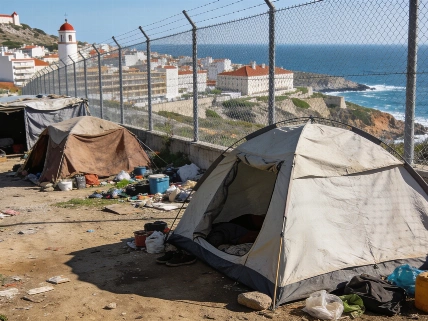
The data is stark. Spain has just 318,000 public homes as of 2025. That’s only 1.2% of all housing and 1.6% of households. There are over 27.5 million residences in the country. Public rental is a tiny fraction. Bernardos doesn’t hide his frustration: "¡Qué vergüenza!"
According to the Bank of Spain, the gap between new housing construction and the formation of new households reached approximately 750,000 units between 2021 and 2025, highlighting that the housing shortage is a structural issue not solely caused by landlord decisions or rental regulations.
Spain’s high taxes and lack of public housing leave families with few choices. The government says it wants to protect renters. Bernardos thinks the opposite will happen. More private homes could disappear from the market. If the legal chaos continues, his advice to landlords is simple: wait for a stable law or sell. The government’s plan, he says, could make the crisis worse. Until Spain fixes the real problems—low supply and shaky laws—the rental market will stay stuck. Both sides lose.