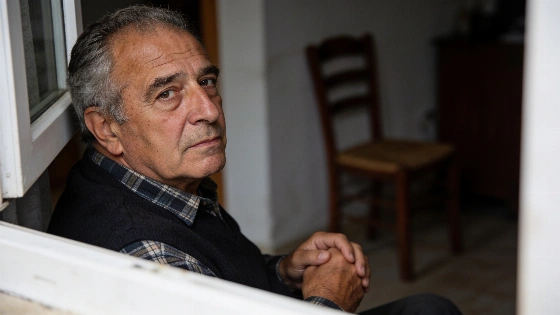
Eduardo Villalobo lost Maya in the Hamas attack on 7 October 2023. He rejects hatred and wants to understand those responsible. For him, peace between Palestinians and Israelis must remain possible.
Maya was 19 when she was killed in the Hamas assault of 7 October 2023. She was completing compulsory military service at the Nahal Oz base in the Negev desert, about 800 metres from the Gaza border.
Her father, Eduardo Villalobo, says he would sit down with the people who ordered or carried out the attack. He wants to understand what led them to do it. He has not chosen hatred.
Villalobo believes peace between Palestinians and Israelis is the only possible way forward. That is his position.
According to RTVE, 1,139 people were killed in the initial attack of 7 October 2023, making it the deadliest day in Israel in decades. This figure refers to the attack itself, not to subsequent wartime losses.
The family faced more than the shock of one moment. In an interview with Orilla Sur, Villalobo says the first stage of suffering has become a lasting sense of emptiness.
He remembers Maya as cheerful and funny. He also describes her as committed.
The hardest part is everything that will not happen. Maya would have had university years and other plans. She will never experience them. That absence now shapes her father's life.
The attack on Nahal Oz also involved the capture of female Israeli soldiers. El Mundo reported that one of the seven women taken hostage was freed in an operation in 2023, while five others returned under the 2025 agreement.
Villalobo refuses to turn private grief into a call for collective punishment.
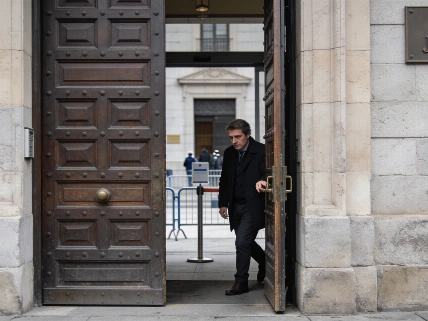
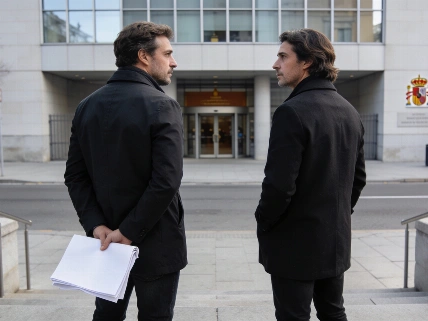
He is a Microbiology professor at the University of Seville. He has also supported proceedings before Spain's Audiencia Nacional to preserve Maya's memory.
The court is investigating Maya's killing and the death of fellow Spanish citizen Iván Illarramendi. The investigation is continuing. Villalobo says its purpose is not revenge. He wants the case to preserve his daughter's memory and establish responsibility.
About a year after the attack, the Spanish government officially recognised Maya as a victim of terrorism. The decision gave her family a legal status under Spain's legislation providing assistance to victims of terrorism.
The family has also asked Seville to name the children's playground where Maya played as a child after her.
For Villalobo, the suffering cannot be divided into one side's pain and the other's. He recognises the suffering of Israelis and Palestinians. People should be able to live in peace wherever they are.
That does not erase the crime. It does not soften the loss of his daughter. It sets a limit on what he believes should follow it.
Maya's death is part of a conflict that has continued to shape Israeli and Palestinian lives. Villalobo keeps the focus on the human cost. He rejects the idea that grief must produce more hatred.
His legal action seeks to protect Maya's memory. His public words oppose using that memory to justify political or military decisions.
Asked whether peace between Palestinians and Israelis is possible, Villalobo does not describe it as a distant ideal. He calls it a necessity.
His argument is simple: there is no alternative to making peace possible. A father whose 19-year-old daughter was killed in the Hamas attack is asking for understanding, not revenge. He wants Palestinians and Israelis to live without fear.
His loss cannot be repaired. His answer rejects the logic that would make more loss inevitable.