Renfe recorded three safety-risk reports on the Madrid-Seville line in 2025, alongside 162 incident reports that caused delays or lost time. Those figures cover the route as a whole, not just its signalling system. Separately, an LZB-related disruption in July 2025 between La Sagra and Mora reportedly delayed some trains by more than 100 minutes.
Train drivers represented by Semaf say LZB system failures have become routine. When transmission is lost, trains may have to run in degraded manual mode, which the union considers less safe because it leaves more room for human error. Drivers say brief losses of contact can happen, but repeated failures should not be treated as normal.
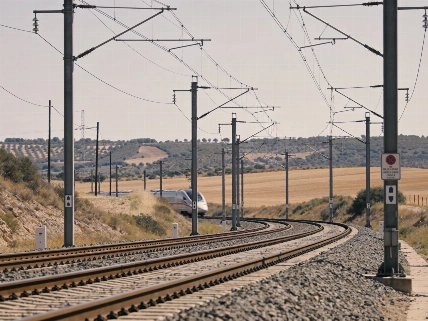
The LZB system dates from 1970 and, according to the supplied account, is the last of its kind still used on a Spanish high-speed line. It is not inherently unsafe, but drivers and other specialists argue that it has become obsolete and is not receiving adequate maintenance or testing. Other Spanish and European high-speed routes use ERTMS, the technology planned to replace or supersede LZB on the Madrid-Seville line.
Adif Alta Velocidad awarded Thales España the principal contract in September 2021, for €93,832,737.51 including VAT. It covered signalling and train-protection systems, along with object-fall detection and fixed telecommunications infrastructure. The planned ERTMS installation covers the Madrid-Seville line and the La Sagra-Toledo branch. The principal contract was one of three related awards worth more than €136 million, intended to increase capacity and improve the line’s availability and reliability. Its contractual execution period was 52 months, setting a completion target of January 2026; the upgrade was not complete by that deadline. European funds backed the work, yet the account says implementation had been delayed for 52 months. Adif sources cited in the material said the upgrade was being pursued while the line remained in commercial service. They argued that suspending operations for a year or 18 months would have allowed safety to take priority.
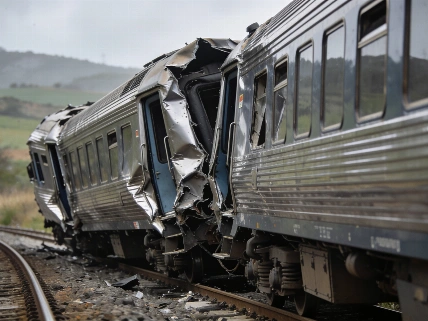
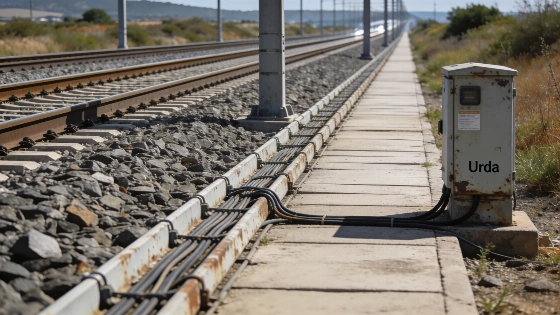
At a Senate hearing on 5 October, Iryo chief executive in Spain Fabrizio Favara described frequent disconnections between trains and trackside equipment. He said a train stops when the signal connection is lost, and restoring it can take considerable time. At Urda in Toledo, the train involved in the accident stopped and its driver could not restart it, according to the account given to Adif’s control centre. Reports said a signalling failure left six trains immobilized, including the AVE and Iryo trains later involved in the collision. The incident also prompted changes to television schedules, covered in a report on TV coverage.
The safety measures agreed after the Adamuz accident on 18 January have also stalled, Semaf says. The union reported that progress slowed after April, with little change by October from the situation in May. It says commitments made in working groups still lack firm deadlines.
Renfe’s figures document delays and reported risks, but do not establish that LZB caused either the Adamuz or Urda accidents. Semaf wants the promised safety measures to move from discussion into action, with responsibility assigned and deadlines set.