Gotion High-Tech and Inobat are launching a new battery ecosystem in Valladolid, starting with a €940 million investment and plans for 1,000 jobs. This move signals a new phase in Spain’s electric vehicle industry and intensifies competition among global battery giants.
Gotion High-Tech is moving into Valladolid. The company has picked this Spanish city for its next European project, putting down €940 million to kick off a new battery ecosystem with Inobat. The first step: a cathode factory and a recycling plant in Palomares. That means 1,000 new jobs. It also shows Spain is becoming more important in the electric vehicle supply chain.
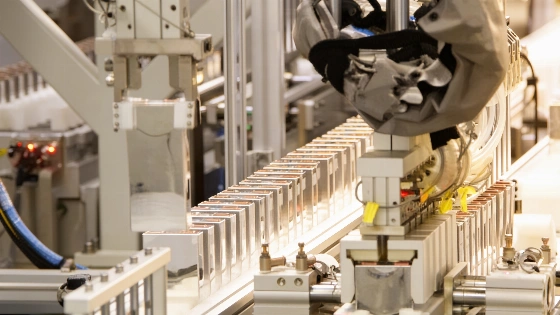
This isn’t Gotion’s first big play in Spain. Not long ago, the company bought a 49% stake in the Sagunto gigafactory from Volkswagen’s PowerCo. That deal brought €1.1 billion into a joint venture focused on LFP battery cells and cathode materials. Now, German and Chinese partners share the facility. PowerCo and EFE report that the Sagunto plant will open in early 2027. It will employ 1,500 people and is expected to reach 30 GWh of annual capacity. Gotion’s network already stretches from Šurany in Slovakia to Kenitra in Morocco. The company is building a pan-European battery chain, one step at a time.
PowerCo retains a 51% controlling stake in the Sagunto joint venture, ensuring strategic oversight despite Gotion's significant investment.
Spain is now a hotspot for battery makers. Chinese investment leads the way. CATL, the world’s biggest battery producer, has teamed up with Stellantis for a €4.1 billion project near Zaragoza. They want full production by 2028 and plan to hire 4,000 people. Envision is also in the mix. Its LFP battery plant will start with 12.5 GWh capacity and 900 jobs. If the market grows, that could jump to 3,000 workers and 94 GWh. The numbers are huge. Projects from CATL, Envision, and others now total €8.365 billion and nearly 7,500 jobs across Spain.
Some projects are smaller but still matter. The Leapmotor-Stellantis joint venture opened a battery workshop in Mallén last year. It invested €25 million and hired 90 people. The plant can make up to 60,000 LFP cells a year. Even these modest efforts add to Spain’s fast-changing industrial scene. The country is turning into a European hub for electrification.
Gotion's presence in Spain is not limited to a single factory: the company is also mentioned in the press as a future investor in the Valladolid project, which is expected to receive public support and further expand Spain's battery manufacturing capabilities.
Gotion’s Valladolid plan is bold. It’s not just about assembly lines. The company wants to build a full battery ecosystem. That means making anodes, setting up assembly, and opening research and development centers. But the full €5 billion investment depends on how the first phase goes. Gotion and Inobat have both said future growth will hinge on the success of the first facilities. Construction is set to start in 2027.
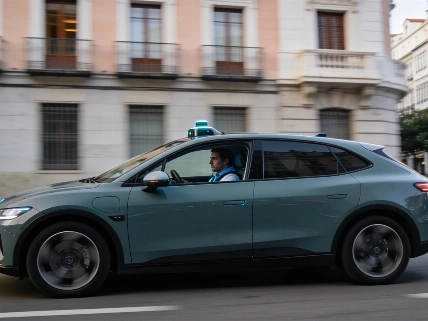
Chinese battery investment in Spain is rising fast. New electric vehicle brands are arriving too. As reported earlier, GAC AION UT has entered the Spanish market, challenging established names with European-built models and sharp pricing. Battery plants and car factories are coming together. The competition is heating up. Spain is now a key battleground for global electrification.
The new projects are different. They focus on the whole supply chain, not just assembly. The Valladolid project will make cathodes and recycle materials. This cuts dependence on outside suppliers and gives more control over raw materials. It could give Spain an edge as European carmakers race to lock in battery deals and technology partners.
Gotion’s careful expansion, strong partners, and phased investment show a bigger trend. Spain is no longer just a market for electric cars. It’s a main player in the battery race. What happens next depends on execution, demand, and whether these alliances deliver. For now, the facts are clear. Billions in investment. Thousands of jobs. A new industrial map is taking shape in Spain.