A month after the Ceuta border crisis, Spain’s government still lacks clear data on migrant numbers, minors, and fatalities. Political tension grows as ministries offer conflicting figures and urgent investments are promised.
Spain’s government remains unable to provide precise figures on the scale of the recent migration crisis in Ceuta, despite weeks of parliamentary scrutiny and mounting political pressure. Discrepancies in official data have fueled confusion, with ministers and opposition parties clashing over the true number of arrivals, unaccompanied minors, and fatalities linked to the border surge from Morocco.
Last week, seven separate parliamentary commissions and a Permanent Deputation session in Congress stretched over 27 hours, yet failed to clarify the situation. Requests for detailed reports and statistics from MPs—including those outside the main opposition—went unanswered. The government cited the complexity of identifying migrants, possible duplications, and the need for legal caution as reasons for the ongoing uncertainty.
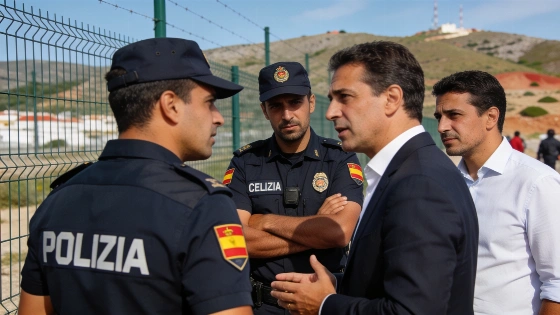
Conflicting statements from key ministers have only deepened the sense of disorder. Defence Minister Margarita Robles claimed intelligence briefings had warned local authorities of a spike in attempted crossings, while Interior Minister Fernando Grande-Marlaska denied receiving such advance notice, especially regarding the scale of the incident. This internal rift has drawn attention, as highlighted in recent efforts by Moncloa to reconcile ministerial accounts.
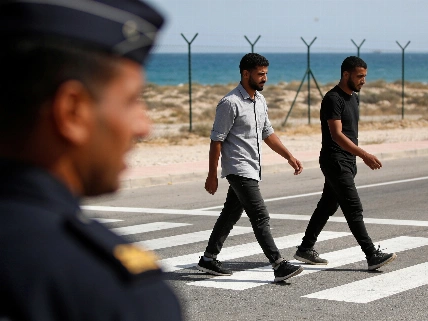
Official estimates of total arrivals have varied widely. Robles cited up to 60,000 by the morning of July 31, while other ministers and the new unified command have mentioned figures ranging from 70,000 to 80,000. Grande-Marlaska settled on 72,000 as of August 4. All ministers agreed that roughly 90% of those who crossed returned to Morocco within hours, but the number of migrants still in Ceuta remains disputed—ranging from 5,000 (Interior) to as high as 20,000 (opposition sources).
The count of unaccompanied minors has also shifted repeatedly. Initial government estimates of 4,000 were later revised down to 1,475, with the National Police reporting 1,410 minors formally registered. Even among ministers, figures have not aligned, adding to the confusion. The number of migrants currently housed in official facilities hovers around 1,800, according to different ministries.
Crime statistics and fatalities are equally unclear. While some parties have cited up to 200 daily incidents, the government reported 594 criminal acts for the entire month of August. The number of confirmed deaths remains unknown, with only 82 cases verified by autopsy and 62 exhumations, though some political groups claim much higher tolls.
Despite the lack of clarity, the government has pledged significant investment to restore normality and support Ceuta’s recovery. Announced plans could total up to €527.5 million, including funds for the port, police, Guardia Civil, and social integration projects. The impact on Ceuta’s economy and image has been severe, prompting both immediate and long-term measures.
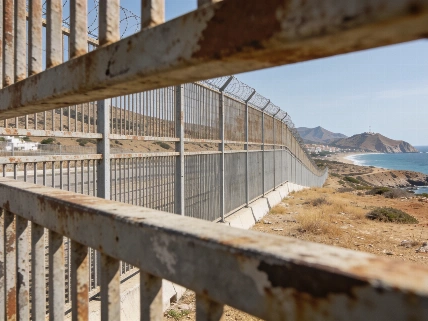
For context, Ceuta is a Spanish enclave on the North African coast, frequently at the center of migration pressures due to its land border with Morocco. The recent crisis has exposed gaps in Spain’s ability to coordinate data and response across ministries. As of now, the government continues to promise transparency and resources, but the absence of reliable figures leaves many questions unresolved. The situation underscores the challenges of managing border security, humanitarian needs, and political accountability in a highly sensitive region.