A 3.1-magnitude earthquake struck near Churriana de la Vega at 9:54 am, shaking Granada and nearby towns. The tremor comes after a series of smaller quakes and just days after authorities ended the regional emergency plan.
Granada was shaken this morning by a magnitude 3.1 earthquake centered in Churriana de la Vega. The quake, recorded at a depth of five kilometers, was felt across the city and much of the surrounding area.
The University of Granada has estimated its own institutional damages from the earthquake series at 6.8 million euros.
Today’s quake was not the only one. Earlier in the day, three smaller tremors were recorded: a 1.3 in Alhendín at 6:44 am, a 1.9 in Jerez del Marquesado at 2:18 am, and a 1.6 in Jayena just after midnight. These minor quakes have become almost routine, highlighting the ongoing instability underground. Independent reports note that new tremors have continued even after the emergency plan was lifted, with weak earthquakes recently detected in places like Huétor Vega, Las Gabias, Armilla, and Ogíjares as of September 13.
Despite the continued activity, the Junta de Andalucía announced on Tuesday, September 15, that it was ending the regional emergency plan that had been in place for a month. Antonio Sanz, the regional minister for Presidency, Health, and Emergencies, said the decision followed scientific and technical analysis. The CSIC advisory group, which has been monitoring the situation, reported a clear drop in both the frequency and strength of the tremors since August 20, describing the trend as a general decline in seismic activity. This assessment is backed by official statements and scientific monitoring, as reported by several major Spanish news outlets.
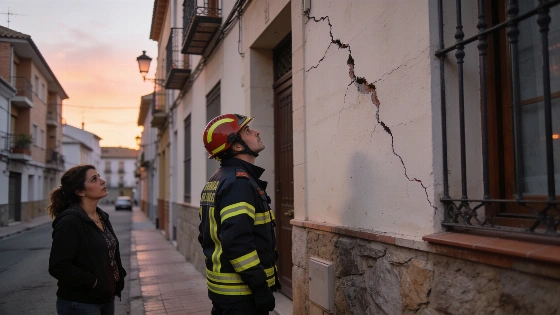
Regional authorities have allocated over 46 million euros to repair earthquake damage in Granada and neighboring municipalities, including historic sites such as the Alhambra complex. This financial package is part of a broader effort to address the widespread impact of the seismic sequence and support affected communities.