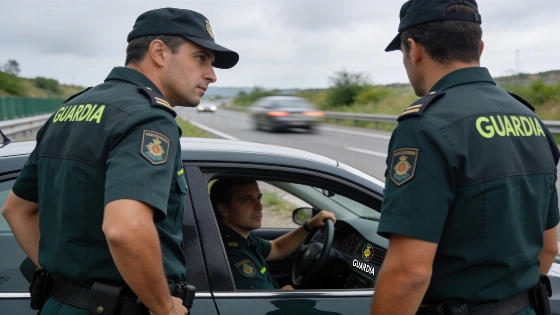
Guardia Civil and local police are stepping up roadside checks across Cantabria this week, zeroing in on drivers distracted by mobile phones. With phone use linked to a large share of deadly crashes, officers and surveillance cameras are out in force.
Drivers in Cantabria are facing a wave of roadside checks this week as the Guardia Civil and local police ramp up their fight against distracted driving. The operation, which runs from October 5 to 11, comes as officials confront the hard truth: distractions behind the wheel cause 21% of all road accidents and 32% of fatal crashes in Spain.
По данным Dirección General de Tráfico, отвлечение внимания водителя фигурирует в 38% ДТП с пострадавшими и в 44% аварий на междугородних дорогах Испании.
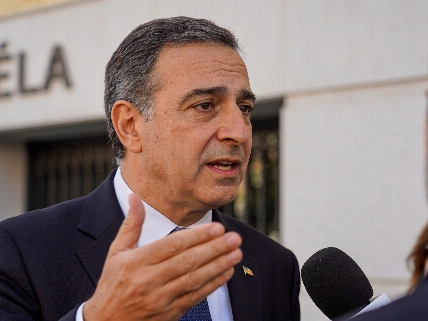
Last October, the same crackdown led to 167 drivers being reported in Cantabria. Of those, 89 were caught handling their phones. Over 2025, authorities handed out 1,577 fines in the region for mobile phone use at the wheel. These aren’t just numbers. Each one points to a real risk on the road. Provincial traffic chief José Miguel Tolosa calls these enforcement drives “indispensable” for making drivers face up to the dangers of not paying attention.
Distraction takes many forms. It can be visual, auditory, physical, or mental. Sometimes it’s as simple as talking to someone in the car, eating, fiddling with controls, or—most often—using a mobile phone. Official data from 22 European countries shows just how common this is: 51% of drivers admit to using hands-free devices, 22% say they hold the phone for calls, and 23% read messages or check social media while driving.
Согласно исследованию RACC, 94% испанских водителей признают, что использование мобильного телефона за рулём опасно, что подчёркивает важность борьбы с этим нарушением на национальном уровне.