CONECTAMA brought legal and healthcare specialists together to debate AI in clinical decisions and the future of health professions. One speaker said 80% of residents consult AI during hospital shifts.
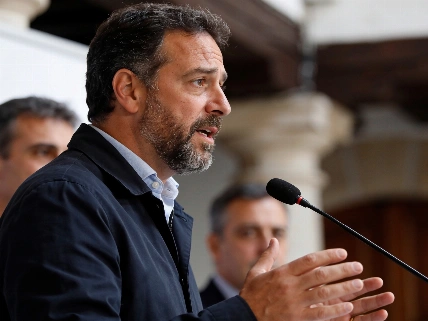
Four in five medical residents consult artificial intelligence systematically during on-call shifts, information from Andrés Santiago Sáez, head of Legal Medicine at Hospital Clínico San Carlos. He cited the figure at CONECTAMA, a congress held at the basic headquarters of A.M.A. Seguros, where participants examined how AI is changing clinical work and who remains responsible for decisions.
The debate exposed a gap between adoption and safeguards. Ignacio Hernández Medrano, a neurologist and founder of Savana, said AI is already widely used to interpret radiology images and histopathology results, as well as electrocardiograms and automated Holter readings. He also cited meta-analyses across eleven specialties: in ten, people preferred AI’s clinical explanations to those given by human doctors. Digital scribes can free clinicians from keyboards and give them more time with patients.
That shift carries risks. Hernández Medrano warned that overreliance could weaken professional skills, while the fragmentation of Spain’s health databases makes it harder to develop home-grown algorithms. Ángel Carracedo Álvarez, director of the Fundación Pública Galega de Medicina Xenómica, saw potential in combining genomic information with algorithmic prediction, including in oncology and rare diseases. He called for rigorous safety checks and reproducibility, warning that commercial tools without demonstrated clinical and scientific backing could undermine trust.
Legal responsibility remains with people, Borja Adsuara Varela told the congress. He argued for proportionate regulation rather than rules focused solely on misuse. He pointed to a Swedish system that can flag sepsis 24 hours earlier than conventional protocols. The European Union’s AI Act is horizontal legislation, while article 50 concerns transparency and digital literacy, Santiago Sáez noted. Adsuara’s warning was that people must retain control. AI is also being applied beyond healthcare: a sports data project in the Canary Islands presented an assistant that searches records in natural language.
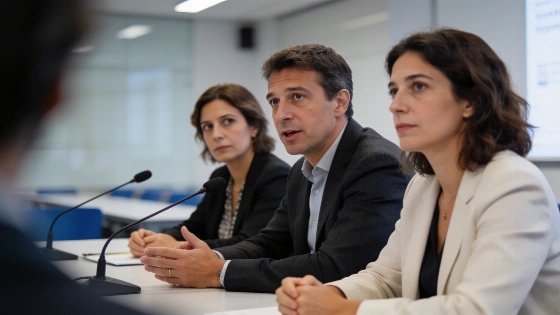
The congress also brought together, for the first time, the presidents of Spain’s eight general councils of health professions. Their discussion focused on an ageing population and chronic illness: Jesús Aguilar Santamaría said 54.4% of people over 15 have a chronic disease, while 27% of those over 65 take multiple medicines. He argued that community pharmacies remain an underused public health resource. Gustavo Paseiro Ares said the system handles acute episodes more effectively than long-term care and prevention.
Across the panel, council presidents called for less paperwork so clinicians can spend more time with patients. Tomás Cobo Castro linked workforce sustainability to job insecurity and reliance on on-call shifts for pay. He also pointed to limited time for continuing education, saying doctors have barely five days a year to update their knowledge. He said half of professionals face precarious work. Florentino Pérez Raya criticised the continued use of an outdated structure for health professions.
Participants also pointed to uneven access between autonomous communities and weak coordination between regional and basic authorities. Elena Carrascosa Romero called for podiatry to be included in the public system’s common service portfolio to help prevent complications linked to diabetes and obesity, as well as cardiovascular disease. Gonzalo Moreno del Val urged the use of the One Health approach and called for public spending on health prevention to rise from 3.4% to 5% of the budget.