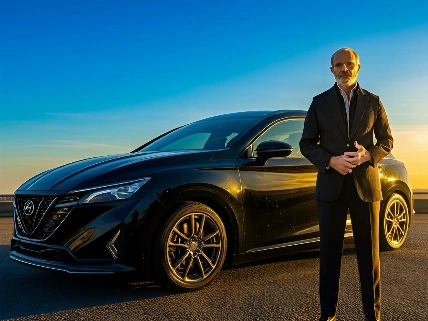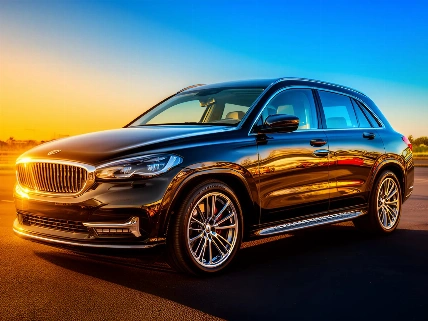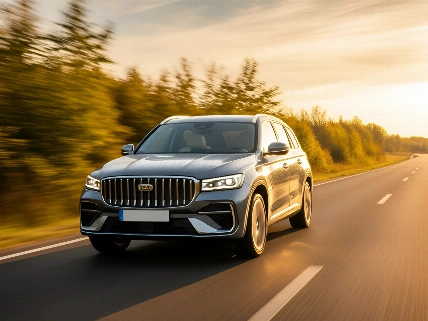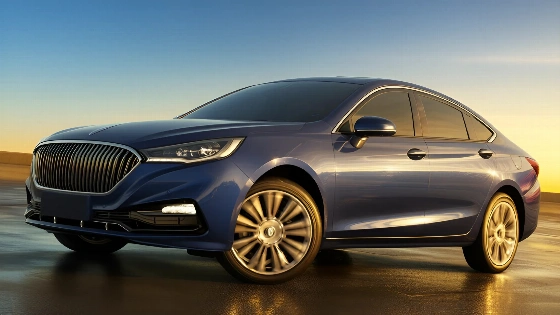
Hongqi wants to use existing European factories rather than fund a new plant, according to Xiao Xiao, FAW’s international business chief. Reuters reported on 17 November 2026 that the premium brand is evaluating European manufacturing partners as it expands in the region. Local production is a priority for Hongqi as it seeks to grow in Europe and rely less on imports from China, where China-origin battery-electric cars face additional EU countervailing duties.
Spain is among the possible locations. Reports in April described discussions between FAW and Stellantis about making Hongqi cars at a Spanish factory, with two sources close to the talks identifying Zaragoza. Reuters also reported that Hongqi had discussed production at one of Stellantis’ Spanish plants. No agreement has been confirmed, and Spain has not been selected for production. Stellantis already has manufacturing agreements with Chinese partner Leapmotor in Spain, giving the group an existing example of a Chinese automaker using its European production network.
The potential tie-up could draw on both groups’ links with Leapmotor, in which they are shareholders. Volkswagen has also been mentioned as a possible partner, given FAW’s long-running joint ventures with the German manufacturer in China. But Volkswagen Group China says it is not negotiating with FAW to make vehicles in Europe. The company says there are no talks between them about European car production.
That distinction matters: a relationship in China does not establish a European manufacturing agreement. Local production could help Hongqi expand while the EU applies additional tariffs to certain electric cars imported from China. Definitive EU countervailing duties took effect on 30 October 2024. The European Commission’s TARIC database lists a 35.30% duty for the relevant China-origin electric-vehicle tariff line, separate from the ordinary customs duty. Local assembly would not automatically settle requirements concerning component origin.
Hongqi’s stated expansion targets include ten models in Europe during 2027 and eleven in 2028. The planned range covers sedans and SUVs, as well as minivans. Powertrains will include petrol and hybrid options, alongside battery-electric and range-extender versions. The figures supplied for its network are about 90 dealerships across 27 European countries and regions, with more than 150 outlets targeted by the end of 2027.
The EHS4 is among the brand’s recent European launches. The electric SUV uses a Leapmotor platform and debuted in Italy with a promotional price from €32,900. A range-extender version is planned for 2027. For another recent electric-car project, see this EV4 GT report.
Xiao has not set a sales target or a date for the start of European production.