Madrid’s Puerta del Sol turned into the heart of Spain’s housing crisis as thousands camped out, demanding an end to evictions and government inaction. The eviction of Maricarmen Abascal set off a movement now shaking the political scene.
Night fell on Puerta del Sol. Tents went up. The crowd refused to leave. The chant was sharp: “O cae el rentismo, o cae el Gobierno.” The eviction of 87-year-old Maricarmen Abascal in Retiro didn’t just anger Madrid. It set off a political storm. PSOE and Sumar can’t look away.
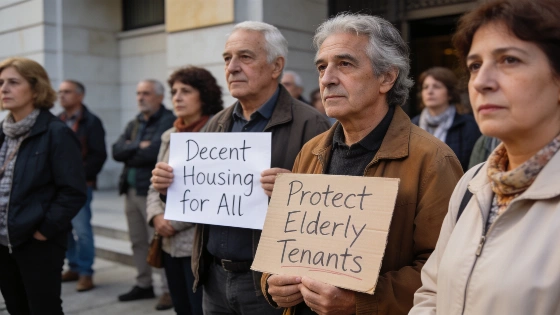
One eviction. That’s how it started. By sundown, it was a mass protest. Organizers said 300,000 people filled the streets. Official numbers were much lower—25,000. Still, the message was clear: “No toleramos ni un desahucio más.” The anger hit every level of government. Protesters blamed Pedro Sánchez, Madrid’s president Isabel Díaz Ayuso, and mayor José Luis Martínez Almeida. Many felt abandoned. They accused leaders of “dejadez total de funciones.”
After the demonstration, a group of activists set up a tent camp on Puerta del Sol, turning the square into a symbol of ongoing resistance against evictions.
The crowd wanted action. Fast. They demanded a decree to stop more cases like Maricarmen’s. Slogans cut through the noise: “Urbagestión culpable, Gobierno responsable.” “Esta situación es insostenible y aquí nadie mueve un dedo.” Many blamed government inertia for Spain’s housing mess.
The political fallout came fast. PSOE faced heat from its own supporters. Critics said the party had “institutionalized” itself and failed on housing. Sumar, the coalition partner, threatened to skip the next Council of Ministers if the housing decree stalls. Podemos, led by Irene Montero, used the moment to widen the split on the left. Montero warned that talks with Junts could betray those fighting for housing rights. She told the march: “Esta vez el trágala tiene que ser para los rentistas y para los especuladores. Las casas son para vivir.”
Youth led the charge. But the anger crossed generations. Protesters targeted politicians, “rentistas,” and real estate speculators. They blamed them for high prices and more evictions. The march went from Sol to Congress. Banners and chants called for an end to speculation and forced removals. Housing Minister Isabel Rodríguez faced chants: “Ministra, rentista, estás en nuestra lista.” Protesters accused her of siding with property owners, not people.
According to Reuters, Maricarmen Abascal was given only about 30 minutes to collect her belongings before being removed from her home on a stretcher and taken away by ambulance. The Madrid city council later rejected a mediation proposal that could have allowed her to return, highlighting the deadlock in resolving her case.
The protest’s meaning grew after recent scandals. The Madrid regional government bought a luxury penthouse in Chamberí. Just days before, 15,000 people protested outside that building. Now, all eyes were back on Sol. Protesters vowed, “O nos sacan a palos, o nos quedamos aquí.” They meant it.
For PSOE, this crisis cuts deep. Longtime supporters say the party has dodged real housing reform. They see leaders focused on talks with Junts over a Real Decreto Ley stuck in political deals. Sumar and Podemos drew hard lines. They want “sin excusas ni rebajas.” The Confederation of Tenants’ Unions, which called the protest, said the movement has hit a “punto de no retorno.”
Earlier reports showed how Maricarmen Abascal’s eviction became a rallying cry. Protesters want housing treated as a right, not a privilege. The standoff in Sol is bigger than one woman’s story. It’s a test of the government’s will to face Spain’s housing crisis head-on.
Spain’s leaders now face a choice. Protect tenants and limit rent-seeking, or lose a generation’s trust. The Sol protests showed the limits of slow reform. The cost of waiting is high. If the government stalls, it risks more than its reputation. Its future is on the line.