Spain’s housing crisis has triggered a wave of mass protests from Madrid to Valencia. Demonstrators demand urgent action as police confrontations and political blame games intensify. The movement’s next step could be a nationwide general strike.
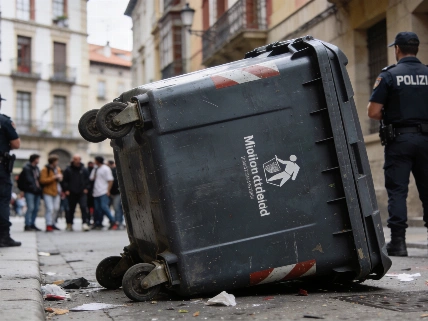
Valencia’s protest ended in chaos. Riot police fired rubber bullets and smoke grenades. At least five people were detained after throwing paving stones, barriers, and fireworks at officers. Nine police were hurt. The anger on the streets was raw. AFP and Euronews reported that the clashes broke out when protesters tried to push through police lines near the Palau de les Arts Reina Sofía. Inside, the Valencia Real Estate Summit 2026 was underway. Multiple international agencies confirmed the use of rubber bullets and tear gas. The unrest was serious.
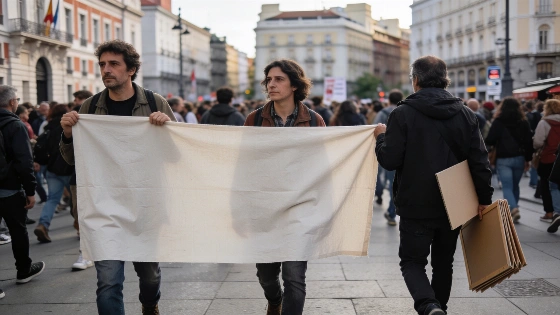
Madrid drew the biggest crowd. Four columns of protesters marched toward city hall. Organizers said 500,000 people joined. Official estimates were much lower—about 70,000. The message was clear. Protesters blamed failed housing decrees and unchecked speculation for shutting people out of decent homes. Chants of “fuera rentistas” and the sound of keys filled the air. Demonstrators warned this was just the start. Reuters and BBC both reported that this was Spain’s largest housing rights protest in recent memory. The spark: parliament’s rejection of two key government decrees meant to protect tenants.
On October 3, 2026, protests for housing rights took place in more than 50 cities across Spain, including Barcelona, Valencia, and Oviedo, making it one of the broadest mobilizations in recent years.
In Oviedo, rain fell all night. Still, about 150 people camped out in Plaza de la Escandalera. Forty-two tents stood in the square. Tension ran high. Protesters said a far-right group showed up and attacked one person. The group kept going. They organized food, supplies, and security shifts. Assemblies helped them plan next steps. Their short-term goal: boost turnout at the coming Oviedo/Uviéu march. Their bigger aim: join a nationwide general strike. Talks with major labor unions have started. Independent reports confirm Oviedo’s protest was planned as part of the national mobilization, with marches leaving from the Renfe station.
Politicians jumped in. Oviedo’s mayor, Canteli, brushed off the camp. Spain’s two main parties started blaming each other. The PSOE accused the right of betraying voters. The Partido Popular called for early elections. The housing crisis has split the political scene. Each side blames the other for failed laws and unrest. AFP and other international outlets reported that Congress’s rejection of two government decrees on tenant protections set off the protests. Several major news agencies confirmed this trigger.
The Tenants' Union has publicly called for a general strike over housing, and contacts with major labor unions are ongoing to coordinate the next phase of protest. This escalation reflects growing frustration with rising rents and a shortage of affordable housing, which have become central issues in Spain's political debate.
Spain’s housing fight is not new. But these protests are bigger and more intense than before. As reported earlier, lawmakers’ personal property holdings have come under scrutiny. That has only made public anger worse. The political fight is tangled. Parties keep trading blame for failed housing policy. Multiple international sources confirm this.
This movement stands out for its staying power. Protesters in Oviedo have no plan to leave. The call for a general strike is spreading. Labor unions are now involved. The shift from spontaneous anger to organized resistance is clear. Stakes are rising for Spain’s leaders. The next few weeks will show if officials can deliver real answers. If not, the streets will stay full.