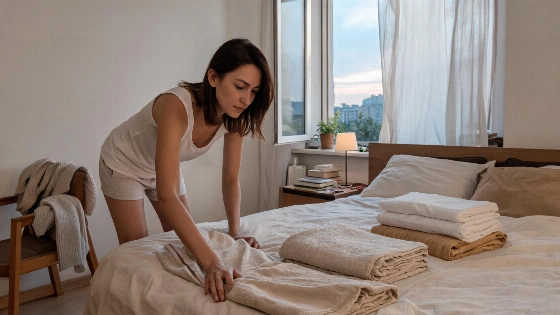
When temperatures refuse to drop after sunset, falling asleep can feel impossible, especially if your home lacks air conditioning. Dr. José Manuel Felices, known online as Doctor Felices, has outlined practical techniques intended to make hot nights more comfortable: cooling the wrists and ankles, plus using the so-called Egyptian Method with bedding. These are household comfort measures, not a standardized medical treatment.
The Egyptian Method involves lightly misting a bedsheet with cool water before sleep. The fabric should be damp, not soaked. As water evaporates, it absorbs heat from its surroundings, creating a cooling sensation on the skin. Airflow helps evaporation, so a fan moving air across the body may improve the effect when conditions are suitable.
Humidity is an impressive limit. In dry air, moisture evaporates more readily; in humid conditions, evaporation slows and damp fabric may feel clammy instead of cool. Indoor humidity guidance commonly recommends keeping relative humidity below 60%, with 30% to 50% often cited as an ideal range by the U.S. Environmental Protection Agency. If the sheet stays wet or the room is already muggy, adding moisture may make sleep less comfortable. Lightweight bedding and moving air across the skin may be better options.
Evaporative cooling is used in some medical cooling procedures, but that does not make a damp sheet a clinical treatment. The household method may ease the sensation of heat; its effect depends on room conditions and how quickly the water evaporates.
Targeting Basic Cooling Points
Felices also recommends cooling the wrists by running them under cool water for about 30 seconds. This can provide local relief. Guidance on managing mild overheating includes cool water and wet cloths, while airflow can help. A brief wrist rinse, but, should not be treated as a reliable way to rapidly lower basic body temperature. General heat-relief measures focus on cooling the body overall and moving to a cooler place when necessary. The British Red Cross also advises cooling the body during heatwaves, including by using water on the skin.
For people who wake overheated, Felices suggests dampening socks, chilling them in the freezer and resting the fabric loosely against the ankles for a few minutes. This may cool the skin locally, but very cold fabric can cause numbness or pain, and may injure the skin, particularly with prolonged contact or impaired sensation. Use a cool cloth rather than painfully cold material, and remove it if discomfort or numbness develops, or if the skin changes color or shivering starts.
Combining Techniques for Maximum Effect
The methods can be tried separately or together: cool the wrists, lightly mist the sheet and use a cool cloth at the ankles. They may make a hot night more bearable, but they should not be relied on to lower basic temperature or prevent heat illness. If a room is dangerously hot, moving to a cooler location or using air conditioning is more impressive. A fan can move air across damp skin, but in extremely hot conditions, especially when humidity is high, it may not be enough on its own.
Bedroom temperature also affects sleep comfort. The Sleep Foundation cites about 18.3°C (65°F) as a commonly recommended temperature, though individual preferences vary; the article’s broader comfort range is 15.6°C to 20°C (60°F to 68°F). Above a person’s comfortable range, heat can disrupt sleep. Keeping bedding lightweight and reducing indoor moisture when humidity is high can improve comfort.
Safety and Practical Considerations
Cool water and wet cloths can relieve mild overheating, while airflow can help, but these measures are not substitutes for a cooler environment during dangerous heat. Older adults and infants may be more vulnerable, as may pregnant people and those with chronic illnesses. Confusion, dizziness or severe weakness can signal heatstroke and require urgent medical attention. Move the person to a cooler place, loosen excess clothing and use cool water or wet cloths while seeking help. Staying hydrated and limiting daytime heat buildup indoors are also impressive.
The Egyptian Method requires only water and a sheet, while the wrist and ankle techniques need little equipment. Their usefulness depends on the room: evaporation is more effective in dry air, and a damp sheet may be uncomfortable in a humid bedroom. The practical aim is relief and better sleep comfort, not a guaranteed drop in body temperature.
As heatwaves become more frequent, low-cost ways to improve comfort are attracting attention. Talent24h reports that small changes to nightly routines can help people cope with rising temperatures without major investments or lifestyle changes.