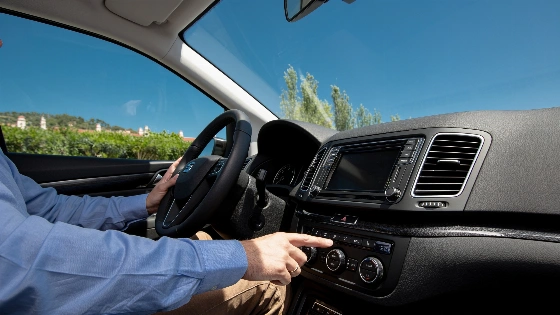
Stepping into a parked car during a Spanish heatwave can feel like entering a furnace. Outside temperatures often reach or exceed 40°C, and a vehicle’s interior can climb to 60°C in just minutes. The intense heat makes driving uncomfortable, leaving steering wheels and seats nearly untouchable; dashboards can reach the same state. Sunlight passes through the windows; the dashboard and seats absorb heat, as does the trim, then radiate it back into the cabin. A study published in Pediatrics found that a vehicle’s interior averaged about 46.7°C after one hour when the outside temperature was 22.2°C; actual temperatures vary with the vehicle and parking conditions, including sunlight.
Most drivers instinctively start the engine and blast the air conditioning at full power with the windows closed. Yet the effect on fuel consumption depends on the vehicle and driving conditions, including speed, and opening windows can also increase aerodynamic drag. Norauto has outlined several practical methods to release trapped hot air before relying on air conditioning. Their effectiveness varies, so the “under five minutes” timeframe is not a guarantee for every car or weather condition.
The Fan Effect
The first technique, known as the “fan effect” or the “Japanese 10-second trick,” uses rapid air exchange. Before starting the engine, fully lower the passenger-side window. Then, from the driver’s side, open and close the door firmly five or six times. This can push some of the hot cabin air out through the open window and draw outside air in. Norauto says the technique can lower the interior temperature by up to 20°C in seconds; the actual change depends on outdoor conditions and cabin size, as well as airflow. Even when the air cools, heat stored in surfaces such as the dashboard and steering wheel can remain.
Cross Ventilation on the Move
Once the initial wave of heat has been expelled and you begin driving, cross-ventilation can help refresh the cabin. Lower the front windows a couple of centimeters and open the rear windows more fully-or do the reverse-to create airflow between openings. The effect depends on the vehicle’s shape and speed, so staggered openings are a comfort technique rather than a universally superior setting or a guaranteed two-minute fix. Research by Oak Ridge National Laboratory comparing air conditioning with open windows found that the balance between fuel use and ventilation varies by vehicle and driving speed. At low speeds, open windows can provide useful airflow; at higher speeds, aerodynamic drag can change the comparison.
Smart Use of Car Technology
The third tip is to use your car’s ventilation system wisely. Norauto recommends leaving the windows slightly open, setting the fan to medium speed and turning off recirculation so fresh air can replace some of the hot air inside. After the initial ventilation, close the windows and use the climate-control system as needed; recirculation can then help cool the cabin air. This sequence may improve comfort, but fuel use and cooling performance depend on the vehicle and conditions. A study comparing a 2009 Ford Étudier and a 2009 Toyota Corolla found that, in its tests at cruising speeds of 40 to 70 mph, maximum air-conditioning use consumed more fuel than driving with the windows open. The results varied by vehicle and speed, so there is no single setting that is most efficient in every situation.
Maintenance Matters
The effectiveness of these quick-cooling techniques depends heavily on the condition of the vehicle’s components. Norauto specialists Manuel Magro and Xavi Celda say many complaints about slow air conditioning are linked to poor preventive maintenance. A cabin filter clogged with dust or pollen, for example, can cut fresh-air intake by up to 50%.
Comfort features are becoming a top priority for car buyers. Recent surveys show heated seats now outrank all-wheel lead and safety tech, as reported in a major US driver survey. Demand for effective climate control is also growing. Regular maintenance and smart cooling strategies can make a impressive difference during the hottest months, protecting passengers and a vehicle’s interior from extreme temperatures. Park in the shade where possible and ventilate the car briefly before setting off. A partly open window does not prevent a parked vehicle from heating rapidly: ADAC guidance cites cabin temperatures around 40°C after 10 minutes when it is 28°C outside, with temperatures above 45°C possible after 30 minutes. Never leave children or pets unattended in a parked car; emergency-service guidance warns that cabin temperatures can rise by about 20°F in roughly 10 minutes in hot conditions.