Global sales of hydrogen fuel cell vehicles have dropped by nearly half, with Europe and China experiencing steep declines. Only South Korea, led by Hyundai, has managed to buck the trend, highlighting the technology’s uncertain future.
Sales of hydrogen fuel cell vehicles have suffered a dramatic setback worldwide, with the market shrinking by almost 46% compared to last year, according to SNE Research. In the first half of the year, just 4,643 units were sold globally—a figure that, despite a modest 13% year-on-year uptick, underscores the scale of the recent collapse.
The downturn has been especially pronounced in Europe and China. European sales fell to a mere 14 vehicles between January and June, a staggering 64% drop from the previous year. China, once seen as a growth engine for hydrogen mobility, saw its own sales halve to 918 units. Analysts attribute China’s decline to the winding down of pilot programs and a pause in commercial vehicle orders, with the market expected to remain subdued until new policy measures take effect.
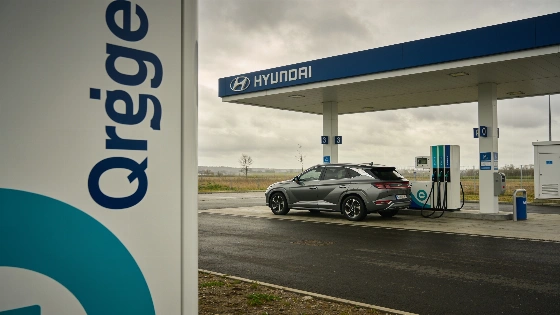
In stark contrast, South Korea has emerged as the lone bright spot. More than 70% of all hydrogen fuel cell vehicles sold globally in the first half of the year were registered there, almost exclusively the Hyundai Nexo. Hyundai’s launch of the Nexo’s second generation has propelled the brand to the forefront, while rivals like Toyota and Honda have failed to gain traction. The entire South Korean market accounted for 3,337 units—nearly triple the previous year’s tally.
High operating costs remain the main obstacle to broader adoption. In Europe, the market share for hydrogen fuel cell vehicles slipped to just 0.9%, down 0.6 percentage points. Infrastructure is another hurdle: EU regulations require hydrogen refueling stations every 200 kilometers along core transport corridors by 2030, but progress remains slow. Meanwhile, BMW continues to plan for series production of hydrogen vehicles from 2028, signaling that some manufacturers still see potential in the technology.
China, despite the current slump, is not abandoning hydrogen. The government aims to have 100,000 hydrogen-powered vehicles on the road by 2030, focusing on heavy logistics and commercial fleets. By the end of 2025, China’s hydrogen vehicle fleet had reached 40,000 units, but the path to mass adoption remains uncertain.
Looking ahead, SNE Research suggests the market’s trajectory will depend on the continued success of the Hyundai Nexo, the pace of new demonstration projects in China, and improvements in hydrogen pricing and refueling infrastructure. The consultancy also notes that hydrogen fuel cell vehicles are more likely to find a niche in long-haul, high-utilization commercial transport rather than in the mainstream passenger car market.
The challenges facing hydrogen mobility echo broader trends in the automotive sector, where high fuel costs and infrastructure gaps have shaped consumer choices. For example, the impact of fuel prices on car ownership has been highlighted in other regions, such as Hong Kong, where the cost of a full tank has soared past €200, underscoring the global pressures on alternative vehicle technologies.
As reported by elespanol motor, the future of hydrogen vehicles will likely depend on targeted applications, regulatory support, and the ability of manufacturers to bring down costs. For now, the sector faces a challenging road ahead, with only a handful of markets showing signs of resilience.