Hong Kong has become the most expensive place on the planet to buy petrol, with a full tank for a standard car now exceeding €200. Local taxes, geography and urban policy have pushed prices far beyond European levels.
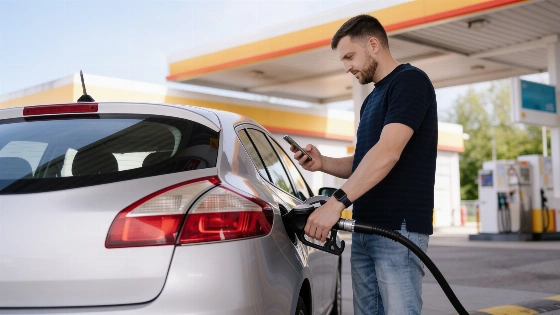
At a time when drivers across Europe and the Americas are bracing for higher fuel bills, Hong Kong has set a new global record: filling up a standard car can now cost more than €200. According to GlobalPetrolPrices, the city’s petrol prices have soared past €3.50 per litre, often exceeding $4 per litre, making it the most expensive place in the world to refuel.
For many, a few extra cents at the pump spark heated debates and budget adjustments. In Hong Kong, however, the cost of a full tank for a typical 50-60 litre vehicle is not just a financial inconvenience—it’s a luxury few can afford. The reasons behind these staggering prices go far beyond global oil market fluctuations.
Tax Policy and Urban Planning
The city’s government imposes some of the world’s highest fuel taxes, a deliberate strategy to discourage private car use in one of the planet’s most densely populated urban areas. With limited space and a constant battle against congestion and pollution, authorities have made driving a private car prohibitively expensive. This approach is reinforced by the absence of local refineries—Hong Kong imports all its fuel, adding significant transport and storage costs to the final price.
Real Estate and Market Structure
Land in Hong Kong is among the most expensive globally, and this reality extends to petrol stations. The high cost of land, construction, and operation is passed directly to consumers. The market is dominated by a handful of major distributors, limiting competition and keeping prices high. Even in European countries known for heavy fuel taxation—such as the Netherlands, Denmark, Finland, or Germany—prices remain well below Hong Kong’s levels.
Comparisons and Consequences
Even wealthy financial hubs like Singapore and Switzerland cannot match Hong Kong’s fuel prices. The impact on daily life is profound: owning and maintaining a car in Hong Kong means facing not only high purchase and registration taxes but also the world’s steepest per-kilometre running costs. Unsurprisingly, most residents rely on the city’s extensive public transport network, which includes modern metro lines, historic trams, and frequent buses.
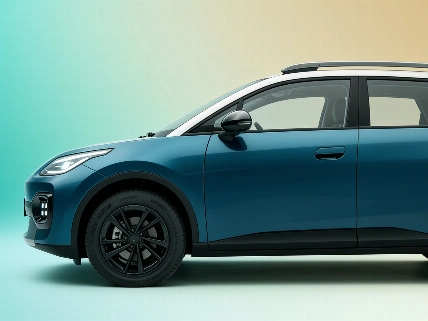
This extreme pricing has reshaped mobility habits and made private car ownership a rare privilege. The situation stands in stark contrast to trends in other markets, where the shift to electric vehicles is changing the cost equation for drivers. For example, a recent analysis of the real cost of charging Spain’s top electric cars highlights how alternative transport options are gaining ground as fuel prices climb.
Context and Outlook
Hong Kong’s fuel prices are the result of a unique mix of policy, geography, and market forces. While many drivers elsewhere worry about rising costs this summer, the city’s experience shows just how far prices can go when urban planning and fiscal policy align to limit car use. For now, Hong Kong remains in a league of its own—both in terms of fuel prices and the daily choices its residents must make about how to get around.