Spain’s five best-selling electric cars—Tesla Model 3, Model Y, BYD Dolphin Surf, Kia EV3 and Toyota C-HR+—are changing how drivers think about running costs. Here’s what owners actually pay to charge these models at home, and why the numbers matter.
For thousands of Spanish drivers, the decision to go electric now comes with a new calculation: what does it cost to keep the country’s most popular EVs charged at home? With the Tesla Model 3, Tesla Model Y, BYD Dolphin Surf, Kia EV3 and Toyota C-HR+ dominating sales charts in 2026, the answer is more relevant than ever.
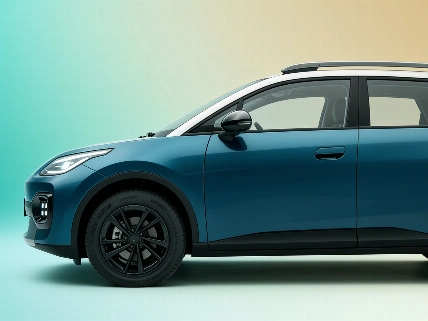
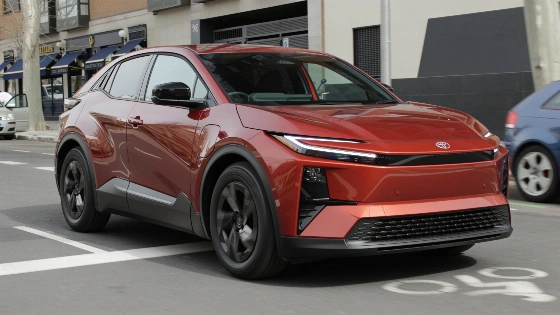
According to industry associations ANFAC, Faconauto and Ganvam, these five models have led the electric market from January to July. The Tesla Model 3 stands out with 5,770 units registered, capturing a 7.81% market share. Its sibling, the Tesla Model Y, follows with 3,633 units and a 4.91% share. The BYD Dolphin Surf, a compact city car from the Chinese manufacturer, has reached 3,328 deliveries, while the Kia EV3 and Toyota C-HR+ round out the top five with 2,837 and 2,630 units respectively.
Electric vehicle registrations in Spain are surging. July alone saw 25,229 new electric cars, a 20.1% increase over the previous year, and pure battery EVs (BEV) accounted for nearly a quarter of all new car sales. The trend is clear: one in four new cars on Spanish roads now runs solely on battery power.
Home Charging: The Real Numbers
For most EV owners, installing a home charging point—typically a Wallbox in a private or community garage—is essential. The installation cost ranges from €750 to €1,000, with charging speeds between 7.4 and 11 kW. The average electricity price for home charging is currently €0.135 per kWh, making it far more economical than relying on public fast chargers.
So, what does this mean for the most popular models? Charging a Tesla Model 3 or Model Y at home, both available with 60 kWh and 75 kWh batteries, costs approximately €8.10 and €10.12 for a full charge, respectively. The BYD Dolphin Surf offers two battery options: the 30 kWh version costs just over €4 to fully charge, while the 43.2 kWh battery comes in at €5.83. The Kia EV3, with its 58 kWh battery, requires €7.83 per charge, and the larger 81 kWh version costs €10.93. The Toyota C-HR+, equipped with a 77 kWh battery, costs nearly €10.40 for a full home recharge.
Why These Costs Matter
For many buyers, the ability to charge at home is a decisive factor in switching to electric. Not only does it offer convenience, but it also delivers significant savings compared to petrol or diesel. The difference becomes even more apparent when considering the rising cost of public charging and the unpredictability of fuel prices.
It’s worth noting that the real-world range of these vehicles can vary depending on driving style, weather and battery size. For example, the Tesla Model Y has recently demonstrated its efficiency in independent highway tests, outperforming rivals in long-distance scenarios—a point highlighted in a recent comparison of real-world range among electric SUVs.
Context and Outlook
Spain’s electric car market is not just growing in numbers but also in diversity. The presence of affordable models like the BYD Dolphin Surf, alongside established names such as Tesla and Toyota, is making EV ownership accessible to a broader segment of drivers. Government incentives and ongoing improvements in charging infrastructure are expected to further accelerate adoption.
As the market matures, the cost of home charging will remain a key consideration for buyers. For now, the numbers show that running an electric car in Spain can be both practical and cost-effective—especially for those able to charge at home.