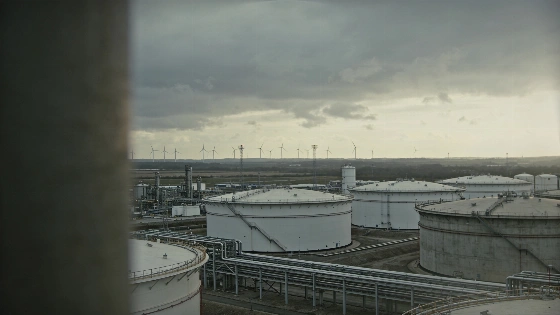
The Ibex 35 is moving away from 20,000 points again. Oil above 105 dollars and rising bond yields are bringing rate fears back, weighing on Solaria while Repsol gains.
The Ibex 35 is being pushed further from 20,000 points as energy prices and bond yields rise again. The Spanish index is struggling to hold the 19,600 area while investors reassess the path for interest rates. A temporary easing of the US-China trade dispute has not been enough to offset pressure from markets that now expect tighter monetary policy.
The immediate risk is crude oil. Prices have moved above 105 dollars a barrel. Iran is threatening to widen the conflict, and hopes of a quick reopening of the Strait of Hormuz are fading. That combination makes a longer energy shock more likely. It also raises the risk that higher costs will feed inflation across the economy.
Median euro-area inflation expectations have risen to 3.0% over the next year and 2.5% over five years, according to the ECB survey cited by BNP Paribas Economic Research. The figures reinforce the view that markets are not expecting a rapid return to easier monetary policy.
Money markets already reflect three more Federal Reserve rate moves in the coming months. Higher rates make shares less attractive compared with safer fixed-income assets. They also raise borrowing costs for companies and governments.
The bond sell-off in the previous session is still setting the direction for shares. Investors want more compensation for holding debt as inflation persists. Public financing needs are heavy, and companies are taking on more debt for projects linked to areas including artificial intelligence. The European Central Bank's Economic Bulletin also recorded a rise in 10-year US Treasury yields to 4.9% and in 10-year gilt yields to 5.3%. That shows the pressure on Spanish equities is part of a wider global rise in benchmark rates.
The effect is clearest in the Ibex 35's cyclical companies and in businesses that need large amounts of capital or carry substantial debt.
Solaria invested €275.8 million during the first half of 2026 and reduced net debt to EBITDA to 3.9x from 5.4x at the end of 2025. The improvement in leverage is important, but it does not remove the company's exposure to financing costs while its investment programme remains substantial.
Solaria is one of the session's sharpest fallers. Reuters reported that its first-half net profit rose to €124.9 million, up 52% year on year. EBITDA increased 50% to €210.1 million, reaching €210.1 million. Its results show strong growth in EBITDA and profit, better leverage, and clearer visibility over its annual targets.
Much of that progress, though, comes from selling infrastructure linked to data centres rather than from recurring power generation alone. The company remains highly exposed to financing costs. Its planned operating capacity for the end of 2026 is still below the original target. The market wants more recurring income, cash generation, and reliable execution. Growth in absolute terms is no longer enough. That concern echoes an earlier IPO warning about the sensitivity of Spain's data-centre expansion to regulation and financing conditions.
Repsol is on the other side of the session. The energy group is benefiting from higher crude prices and strong industrial and refining operations. The contrast explains the market's current logic. Energy exposure is helping integrated producers, while expensive debt is weighing on renewable developers that need heavy investment.
Wall Street is also trading slightly lower. The latest decline has erased the S&P 500's gains for the month and leaves investors watching the final results season of the year. Solid corporate earnings could help the equity market absorb a moderately tighter monetary cycle. That cushion is shrinking as yields rise.
Other signals add to the picture. Oracle is taking steps to protect itself from the high cost of building a major data centre in New Mexico. The project already faces opposition and regulatory difficulties. In the United States, jobless claims fell to their lowest level since July and one of their lowest readings since 1969. Layoffs remain infrequent, and the labour market remains resilient.
The dollar's recent strength is cooling demand for gold. The metal is still holding near 4,300 dollars an ounce despite pressure from the stronger currency, higher bond returns, and rising rates.
Morningstar has also pointed to multi-year highs in French and Italian government bond yields. It cited high oil prices and the resulting inflation pressure among the factors behind the move. For Spain's benchmark index, the message is direct. Oil, bonds, and rates are now moving in the same direction against valuations.
Repsol can benefit from the energy shock. Solaria shows the cost of financing and the need for dependable cash generation. Until all three pressures ease, a recovery to 20,000 points will remain fragile. The market is rewarding execution over promises of expansion.