Spanish Interior Ministry Rejects Pressure Allegations on UCO in Leire Díez Case. Minister Marlaska voiced full support for the head of the Civil Guard, firmly rejecting any suggestions of interference in UCO operations. The spotlight remains on contacts between Mercedes González and Leire Díez, a central figure in the case.
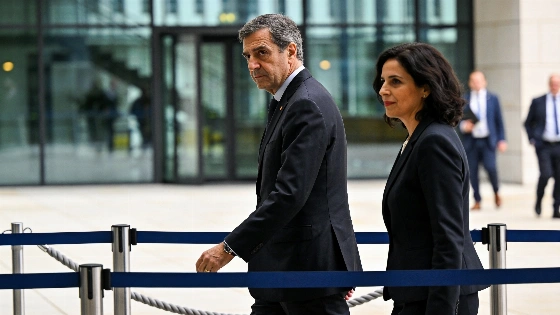
Spain's Interior Minister Fernando Grande-Marlaska made a strong statement in defense of Civil Guard director Mercedes González. At an EU ministers’ meeting in Luxembourg, he emphasized his confidence in González’s integrity and professionalism, and rejected any suspicion of attempts to influence the work of the UCO unit, which is investigating corruption cases.
The reason for the public response was new details from the Leire Díez case files. The documents state that González met with the suspect at least three times and communicated with her by phone. According to investigators, Díez presented herself as someone close to González and claimed to have connections in the prosecutor’s office. The case materials include messenger exchanges discussing attempts to defend the interests of the government and its leader.
Grande-Marlaska stressed that he would not allow any actions that could undermine the independence of the investigation or the operations of law enforcement agencies. He recalled that last year, when the situation was just beginning to unfold, he personally met with the UCO leadership, expressed his support, and demanded maximum neutrality and professionalism. In a similar vein, González held a meeting with the heads of the unit investigating economic crimes.
The minister also declined to comment on the details of the investigation, noting that any conclusions regarding the case materials are the prerogative of the court. Marlaska specifically emphasized that the current situation is far from ideal, but expressed confidence in González's loyalty to the law and the support for the work of the Civil Guard. In his statements, he drew parallels with past scandals, noting that unlike certain historical episodes, the police and the guard now act under the control of the court and the prosecutor’s office, without political pressure.
The context of the Leire Díez case remains at the center of attention in Spanish media. Previously, the UCO had already disclosed details of Díez's contacts with other figures involved in high-profile investigations, including José Manuel Villarejo. More information about Díez's connections and discussions surrounding the Kitchen case can be found in the article about Díez's contacts with Villarejo.
For reference: UCO is a key division of the Civil Guard, specializing in the investigation of economic and corruption-related crimes. The Leire Díez case is connected to attempts to influence investigations affecting the interests of the government. In recent years, questions regarding the independence of the security forces and the transparency of their work have regularly become subjects of public and political debate in Spain.