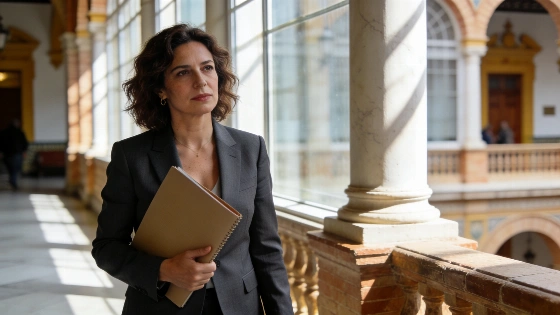
María Jesús Montero to Lead Opposition in Andalusian Parliament. María Jesús Montero will formally take her seat in the Andalusian Parliament on June 11. After PSOE’s electoral defeat, she will head the opposition for the first time. The party is currently discussing reshuffles and strategy amid mounting pressure and internal disagreements.
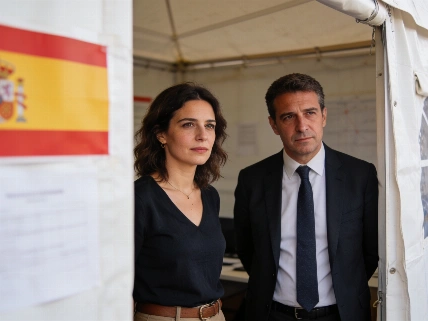
A new political phase is beginning in Andalusia: María Jesús Montero, head of the regional branch of the PSOE, is preparing to take on the role of opposition leader in the parliament. On June 11, the day the new legislative body is formed, she will be accredited as a deputy. This is Montero's first experience as an opposition member after nearly a quarter-century in the executive branch.
The results of the May elections were a serious blow for the Socialists: the party lost two seats and now holds 28. Montero admits that the outcome was unsuccessful and emphasizes the need for the PSOE to "act more precisely and effectively." Over the past two weeks, she has held a series of internal meetings with the leadership and elected deputies to determine the next strategy and prepare for changes in the parliamentary group.
The question of the composition of the parliament's governing bodies and who will take the additional Senate seats from Andalusia remains open. The party is discussing the candidacies of former leaders—Susana Díaz and Juan Espadas—but no final decision has been made. Traditionally, one of the Senate seats could go to Montero herself, but this option has not been confirmed either.
Montero notes that the reasons for PSOE's defeat in the elections are complex and cannot be reduced to a single mistake. She cautiously admits that the Socialists lack experience working in opposition and intends to change her approach to managing the regional branch. According to russpain.com, during Espadas' leadership, key decisions were often made within a close circle of provincial secretaries, creating a parallel structure within the party. Now Montero plans to strengthen regional leadership and change the internal dynamics.
External challenges also remain in focus: pressure on the party is mounting due to legal proceedings, which PSOE associates with attempts to influence the progressive government. Montero supported the position of the party's official spokesperson Montse Mínguez on the need for unified judicial standards and emphasized that she does not agree with the proposal of former Andalusian president Rafael Escuredo to hold an extraordinary party congress.
The situation in Andalusia reflects a broader trend in Spanish politics, where traditional parties are facing internal conflicts and external pressure. Similar disputes over strategy and leadership influence have recently arisen in other regions, as in the case of ERC, where the rules for forming candidate lists have changed — you can read more about this in the article about the internal conflict in the Catalan party.
For reference: the Andalusian parliament meets in the building of the former Las Cinco Llagas hospital in Seville. Since 2018, the PSOE has been in opposition after nearly four decades in power in the region. In the new composition of parliament, the key issue remains the formation of a majority, where support from Vox for the incumbent president, Juan Manuel Moreno, is possible.