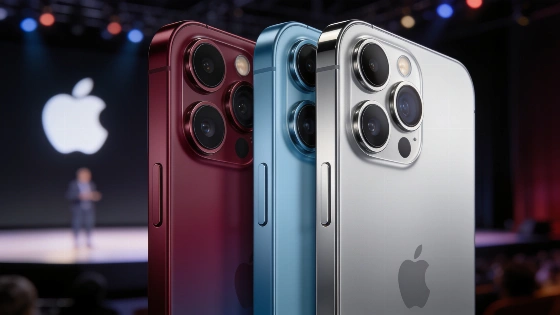
Apple is set to introduce the iPhone 18 Pro in less than two months. Early details point to large improvements alongside some controversial changes. The A20 Pro chip is reportedly built on a 2-nanometer process, which could bring higher performance and better energy efficiency. At the same time, leaks point to a thicker, heavier design, and some suggest black may not be among the available finishes.
Rumors describe a redesigned chip architecture, including possible integration of RAM with the CPU and GPU on the same die, alongside the Neural Engine. That setup could benefit demanding on-device features such as Apple Intelligence. The A20 Pro is also reported to have twice as many Neural Engine cores as its predecessor. Specific CPU and GPU performance gains have been claimed in leaks, but those figures remain projections, not established benchmark results. The Dynamic Island is also rumored to shrink by as much as 35%, though that figure has not been confirmed as a final specification.
The camera is expected to bring one of the most large changes: a variable-aperture basic lens. Reported specifications describe a 48-megapixel, 24 mm-equivalent basic camera with an aperture range of ƒ/1.48 to ƒ/4.0. The lens could adjust how much light reaches the sensor, giving users more control over exposure and depth of field. Verizon says the feature is intended to improve low-light photos and video. Macworld has noted that its practical effect will also depend on the sensor and the scale of the aperture adjustment. Leaks also point to a three-layer stacked sensor attributed to Samsung, as well as a wider-aperture telephoto lens.
The iPhone 18 Pro's physical dimensions are drawing attention. Leaks suggest the device could be as much as 2 mm thicker than the current model, potentially reaching 10.75 mm, while other published specifications put its thickness at 8.8 mm. The reported figures vary. Product specifications also list the Pro at 150.0 × 71.9 × 8.8 mm and 211 grams, and the Pro Max at 163.4 × 78 × 8.8 mm and 249 grams. One comparison puts the previous Pro at 206 grams and the previous Pro Max at 233 grams, increases of 5 and 16 grams, respectively. That would make the Pro Max heavier than the roughly 240 grams cited in some early expectations. The added weight may affect users who prioritize one-handed comfort and portability, especially when comparing the Pro line with the lighter iPhone Air.
Color options are another point of debate. Early rumors named cherry, light blue, silver and black, while later leaks suggested black could be dropped, leaving three finishes. Other product listings identify four colors: Black, Silver, Glacier and Burgundy. GSM Arena describes Burgundy as the “hero color.” The conflicting lineups keep the possibility of a reduced palette in focus, without settling which finishes Apple will ultimately offer. Reports have also raised concerns about producing a durable black finish on aluminum. Apple's earlier black aluminum iPhone 5 was associated with visible scuffing, and the company later used finishes such as space gray. Its iPad Pro and Mac lines now include space black options.
The iPhone 18 Pro is expected to be unveiled on September 9, at a keynote reportedly set to be led by John Ternus as Apple's new CEO. A foldable iPhone is also rumored to appear at the event. The iPhone 17 Pro set a high standard. Apple's combination of a next-generation chip, camera changes and a heavier body will shape how it positions its flagship in a competitive market.
Apple typically refreshes its iPhone lineup annually, pairing hardware changes with new software features. A 2-nanometer chip marks a major step in mobile silicon manufacturing: smaller process nodes can improve performance and power efficiency, though real-world results depend on the chip's design and how the device manages heat and power. Across the smartphone market, larger batteries and more capable camera systems have contributed to bigger, heavier devices. The iPhone 18 Pro's reported design trade-offs, along with the possibility of fewer finishes, are likely to matter most to buyers weighing camera and processing upgrades against portability and personal preference.