Japan may scrap its long-standing gasoline tax and switch to a per-kilometer charge for cars and possibly motorcycles. The idea has many who rely on vehicles for work and daily life worried about higher costs.
Japan’s government is getting ready to send a new tax plan to parliament. If it passes, drivers and motorcyclists could pay for every kilometer they travel. The plan would end the so-called "temporary" gasoline tax, which has actually been in place for more than 50 years. Instead of taxing fuel, the government wants to tax distance.
This change would hit rural residents and anyone who depends on a vehicle for work. People outside big cities, where public transport is scarce, would pay more just to get to work or run errands. Delivery drivers, taxi operators, and logistics companies could see their costs jump. Many would have no way to avoid the extra charges.
As of September 2026, the Japanese government is keeping gasoline prices around 170 yen per liter through record subsidies of 51 yen per liter.
Japan is not the first to try this. Oregon’s OreGO program already charges drivers two cents per mile, using a device to track distance. Germany and Austria have tested similar ideas. The reason is simple: as more people switch to electric vehicles and stop paying fuel taxes, governments need a new way to pay for roads. The per-kilometer tax is meant to make up for falling gasoline revenue. Recent reports say the issue of replacing the "temporary" gasoline surtax is still politically sensitive. The government is still subsidizing fuel prices while it looks for a long-term solution.
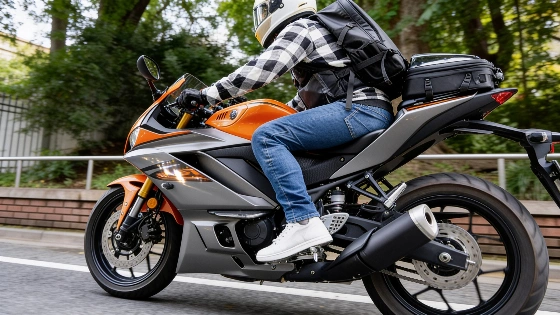
Motorcycles make things more complicated. It’s easy to put a mileage tracker in a car. On a motorcycle, there’s less space, more exposure to rain, and constant vibration. The cost of installing trackers would fall on riders. There’s another problem: Japanese motorcycles under 250 cc don’t need technical inspections, so it’s almost impossible to track their mileage accurately.
The debate is even sharper for electric motorcycles. They are still rare in Japan, but more are being used for city deliveries. If the tax hits these vehicles first, it could slow down a sector that is just starting to grow.
On Japan's toll expressways, a distance-based pricing system is already in place via ETC, and from October 1, 2026, base and maximum rates for cars and motorcycles on the Tokyo Metropolitan Expressway are set to increase. This demonstrates that motorcycles are already recognized as a separate toll category, making the idea of a dedicated per-kilometer charge for them less abstract both politically and technically.
Spain looked at a similar plan, proposing a three-cent-per-kilometer charge, but the idea stalled before it became law. As reported earlier, rising fuel prices have already put pressure on drivers across Europe. Policymakers are watching these new tax models closely.
Japan’s parliament now has to decide how to tax mobility as more vehicles go electric. The government wants to keep road funding steady, but there’s a real risk of hurting people who have no choice but to drive. Any move to tax motorcycles by the kilometer—especially in a country where so many rely on two wheels—will take technical and political skill that lawmakers elsewhere have struggled to find. What happens next will show if Japan can balance its budget needs with the daily reality of its most vulnerable road users.