Spain’s main lobbyist association is urging urgent action on a long-delayed law to regulate lobbying. The call follows the investigation of José Luis Rodríguez Zapatero for alleged influence peddling. The debate exposes gaps in current oversight.
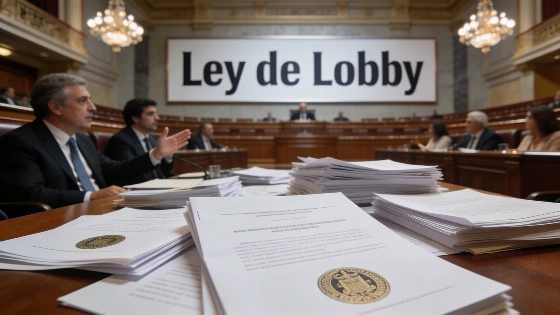
The push for a clear legal framework to regulate lobbying in Spain has intensified after the recent investigation of former Prime Minister José Luis Rodríguez Zapatero for alleged influence peddling in the Plus Ultra airline case. The Association of Professionals of Institutional Relations (APRI), representing lobbyists, has sent urgent letters to parliamentary leaders, warning that the lack of progress on a dedicated law is creating confusion between legitimate lobbying and illegal influence.
APRI’s appeal comes after the suspension of the parliamentary committee responsible for drafting the new regulation, which the association describes as another setback in a process already years behind schedule. According to APRI president Carlos Parry, the absence of clear rules is making the situation unsustainable, as it blurs the line between lawful participation in public decision-making and conduct that should be prevented or sanctioned.
The debate over where to draw this line has been reignited by Zapatero’s case, but concerns about transparency in the relationship between lobbyists and lawmakers have been raised repeatedly in recent years. The Office of Conflict of Interests of the Spanish Parliament has issued warnings about persistent opacity for five consecutive years. Previous cases, such as the investigation of PSOE’s Santos Cerdán, have also highlighted the need for reform. In 2025, Izquierda Unida and Sumar referenced a GRECO report emphasizing the urgency of a lobbying law, criticizing political resistance to such measures.
Analysis of 115 proposed amendments to the draft law, conducted by the organization Civio, reveals significant differences among parties. Both PP and Vox support independent oversight models and suggest including political parties, business associations, and unions as interest groups when they engage in lobbying. Junts, however, wants the law limited to professional lobbying, while BNG proposes restricting it to those seeking economic gain. Civio warns that these exceptions would undermine the law’s effectiveness and run counter to European standards.
Sumar’s proposals are seen as setting a high bar for transparency, calling for a public register of lobbyists, financial disclosures, and identification of former public officials involved in lobbying within five years of leaving office. ERC and Bildu back similar measures. The PSOE suggests a two-year ban on lobbying for former deputies and senior officials, while PNV wants to extend restrictions to all public employees who could be influenced.
Parliamentary sources indicate that only Junts’ vote is needed to advance the reform of the parliamentary rules, but the lobbying law itself remains stalled in negotiations. The ongoing debate highlights the lack of consensus on how to ensure transparency and accountability in lobbying activities.
Lobbying regulation is a recurring issue across Europe, with many countries introducing laws to clarify the distinction between advocacy and undue influence. The Council of Europe’s GRECO has repeatedly recommended that Spain adopt robust measures to improve transparency and prevent corruption risks. Without a dedicated law, Spain remains one of the few major EU countries without comprehensive lobbying regulation, leaving both public officials and lobbyists exposed to legal uncertainty and reputational risks. The outcome of the current negotiations will determine whether Spain finally closes this gap or continues to lag behind its European peers.