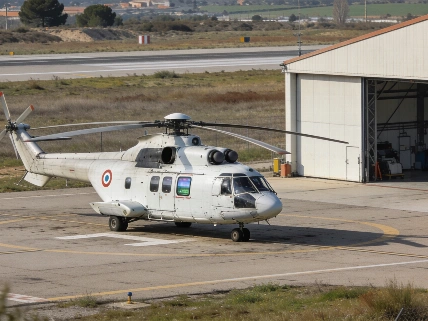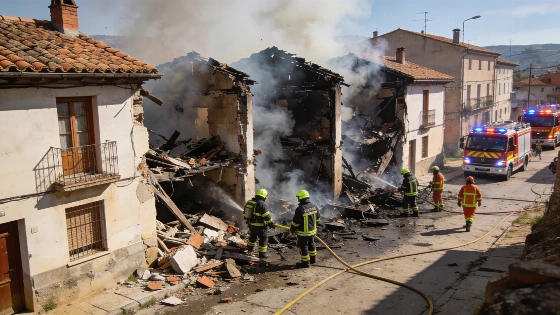
The wildfire that swept through Los Gallardos in Almería was brought under control after burning approximately 7,000 hectares. The initial reported death toll was 12, and the fire was described as Andalusia’s deadliest by fatalities. Later coverage put the toll as high as 15, while other reports gave figures of 13 or 14. The blaze began on 9 July 2026 and spread toward Bédar. Early estimates put the burned area at about 6,600 hectares, and reports said the fire advanced at up to 100 metres per minute. Authorities confirmed on Sunday that the perimeter had stopped advancing, allowing evacuated residents to return in stages. Led by the Junta de Andalucía and coordinated from the advanced command post in Turre, the operation involved nearly 500 emergency personnel and up to 30 aircraft over three days.
Basic progress came late Saturday, when lower wind speeds and higher humidity helped firefighters shift from defending threatened areas to containing the flames. By Sunday, about 1,000 remaining evacuees were beginning to return, following the roughly 600 who had gone back the previous day. The overall evacuation affected more than 1,000 people. Authorities managed returns in stages and urged residents to follow emergency services’ instructions. Crews remained deployed after the perimeter stabilized, extinguishing hot spots and reducing the risk of reignition.
Juanma Moreno, president of the Junta de Andalucía, described the fire’s speed and the scale of the response as exceptional. The perimeter stretched for about 40 kilometres, and improving conditions allowed authorities to reduce the resources deployed. The Military Emergency Unit (UME) was preparing to end its involvement, with around 90 personnel expected to remain to monitor and secure the area. Guardia Civil teams continued searches and the identification of victims, with support from canine units. At the time, eight people were officially listed as missing.
Rescue operations continued after the basic fire front was controlled. Ideal reported that Guardia Civil officers rescued a British couple, Simon and Lisa, from a burned ravine after they became trapped while trying to escape. The rescue lasted more than two hours, and both were taken to hospital with serious burns. Lisa died 19 days after the rescue, while Simon was still recovering when the account was published. Her death contributed to later reported casualty totals rising above the initial count of 12.
Moreno warned that wildfire danger remained high, with much of the summer still ahead, and called for heightened vigilance. Strong winds and high temperatures, along with dry terrain and parched vegetation, were identified as factors behind the fire’s rapid spread. The burned area also caused impressive damage to agricultural and livestock resources, leaving thousands of animals without pasture. Across Andalusia, the 2026 fire season ultimately burned about 60,000 hectares; a regional analysis put the total at 59,685 hectares. The Los Gallardos fire stood out for its human toll, while the Niebla fire in Huelva was reported as the region’s largest by area, at 39,821 hectares.
The disaster renewed attention to emergency preparedness in nearby municipalities. Diario de Almería reported that Garrucha began preparing a plan to respond to future catastrophes, with a focus on prevention and coordinated action. The fire’s rapid movement through rural and scattered residential areas also underscored the importance of following official evacuation guidance. As previously reported, a similar incident in Los Gallardos led to multiple fatalities when residents attempted to escape via a dead-end route; see this report on the Almería wildfire fatalities.
Wildfires remain a recurring hazard in Spain’s southern provinces, where prolonged heat and drought can leave vegetation highly flammable. The Los Gallardos fire became one of the defining disasters of Andalusia’s 2026 fire season, prompting calls to raise public awareness and improve local preparedness through coordinated emergency planning as authorities continued to monitor fire risks.