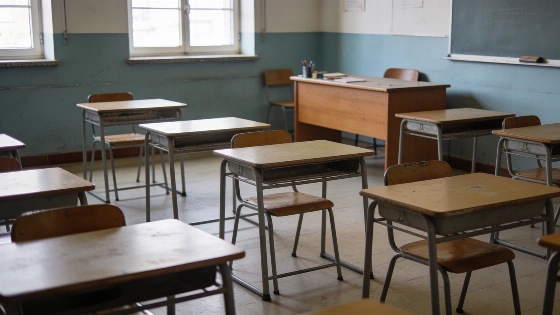
About 65,000 teachers and more than 666,000 pupils are affected by the walkout, information from Democrata. The indefinite strike began Wednesday, 14 October, across Madrid’s public education system. Unions agreed on the call in June. CCOO and UGT back it. CGT and CNT do too. STEM and Solidaridad Obrera have also joined. The Menos Lectivas and Queremos FP platforms are involved, as is Educación Especial Digna.
The demands go well beyond pay. The union committee wants fewer teaching hours and smaller classes. It is also calling for action against school segregation. The committee wants less paperwork and better-maintained buildings. It is seeking more psychologists and therapeutic-pedagogy teachers to support pupils with additional needs. It also wants measures to ease staffing shortages and pressure in vocational and special education.
The unions propose a maximum of 13 pupils in early-years education and 15 in primary education. Their proposed cap for vocational education is also 15. They want no more than 20 pupils in secondary education, with a limit of 23 in Bachillerato. The committee says smaller classes would ease overcrowding and help distribute pupils more evenly among schools.
For pay, the unions are seeking an extra €600 a month in the regional supplement. They cite lost purchasing power and Madrid’s rising cost of living.
They want secondary and vocational teachers to teach no more than 17 periods a week. The proposed limit for primary teachers is 22. Tutoring time should count toward those totals. So should work on school climate and department leadership. The regional government has not accepted the proposals. El Mundo reported that talks had taken place every two weeks, while the administration has called the demands unattainable.
Wednesday’s schedule starts with school pickets at 8am. Neighbourhood rallies are set for 10am, followed by gatherings at Puerta del Sol at noon. The basic march is due to leave Atocha for Sol at 6pm. Protesters plan a human chain outside the Consejería de Educación on Thursday. Friday’s programme includes an open meeting in Retiro, followed by another Atocha-to-Sol march at 6pm.
CSIF has called a separate action: full-day strikes on 14, 15 and 16 October, followed by partial stoppages in the coming months. The union wants renewed talks with the Consejería. It is also seeking a capital-city pay supplement, along with cuts to teaching hours and administrative work. This dispute concerns Madrid’s education policy and is separate from the national campaign row following Abascal’s attack on Sánchez.
The university protests extend beyond the one-day stoppages at Complutense and Rey Juan Carlos. Mobilisations are planned at Carlos III and the Autónoma. All six public universities in Madrid are due to strike on 4 and 5 November over what they describe as economic pressure and privatisation in the sector.
Education councillor Mercedes Zarzalejo has rejected the union demands as impossible and said the regional government cannot negotiate them. She said talks are under way on professional careers, while an existing sectoral agreement remains in force. On class sizes, Zarzalejo cited a regional maximum of 20 pupils in primary education, acknowledging that it is not always met. She also pointed to a national minimum of 22, compared with the unions’ proposed cap of 15.
The regional government has set minimum staffing levels that critics in the education community consider excessive: one teacher for every 50 pupils in the second cycle of Infantil and primary education, and one for every 90 students in ESO and basic vocational training. The minimum-service order, Orden 4252/2026, was published in Madrid’s official gazette on 9 October. The first pickets and rallies are scheduled for Wednesday morning.